2009 BRAIN
Second SEC Technology Tour to Zwingenberg
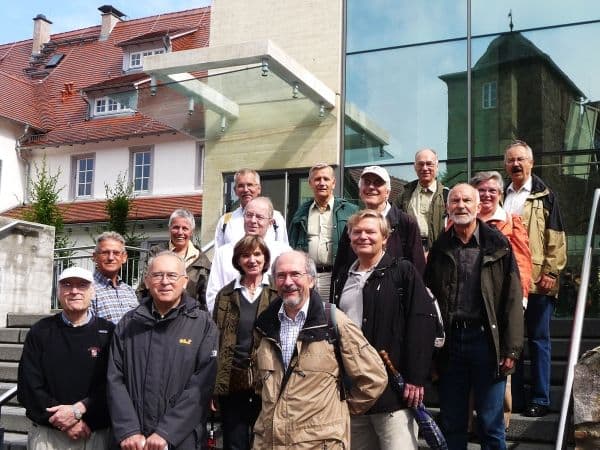
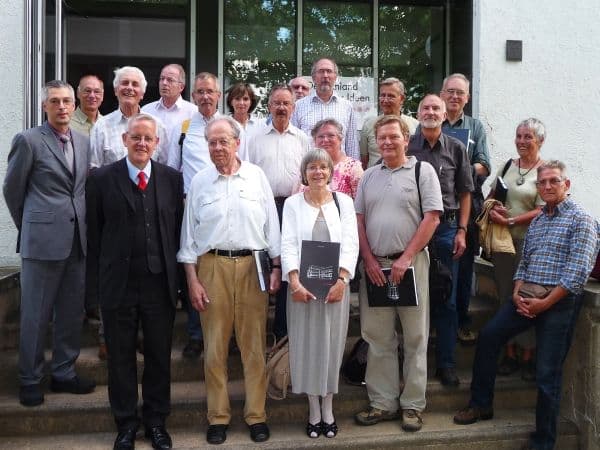
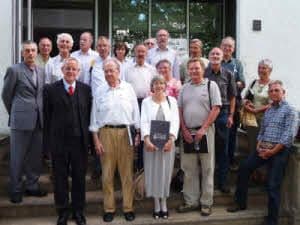
The Senior Expert Chemists (SEC), together with the retirees of the VAA plant group at Industriepark Wolfgang (Hanau), met in Zwingenberg on the Bergstrasse on 16 June 2009 for the second SEC Technology Tour. After a tour of Zwingenberg, they began the ascent to Auerbach Castle through the vineyards, where Riesling thrives on granite-rich soil. It is precisely this terroir that gives Bergstrasse wine the mineral freshness for which it is so popular.
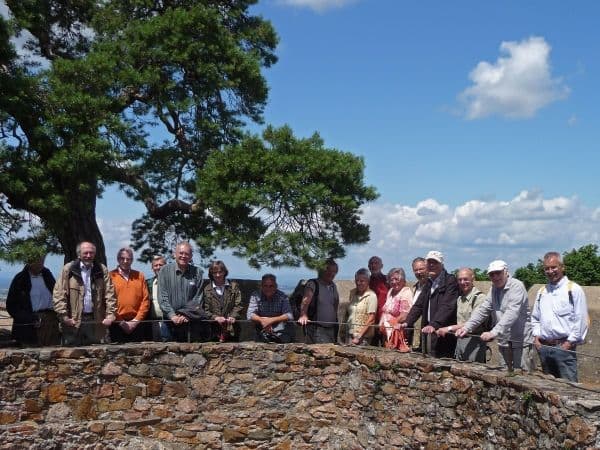
At Auerbach Castle, a knowledgeable guide provided facts about the castle and the history of the Middle Ages. The Counts of Katzenelnbogen built the mighty castle in 1222 to secure their revenues along the Bergstrasse against the powerful Electorate of Mainz. When the line died out in 1479, its considerable wealth passed to the Landgraviate of Hesse. In the meantime, under brilliantly sunny skies, the retirees refreshed themselves with a picnic in the castle courtyard before setting off on the return journey to Zwingenberg.
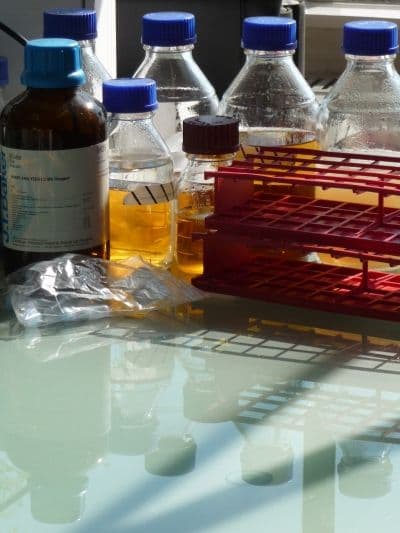
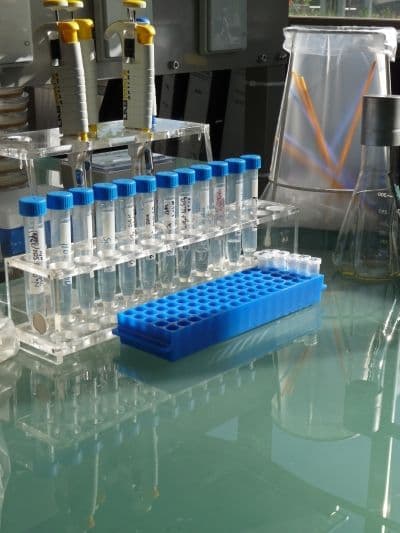
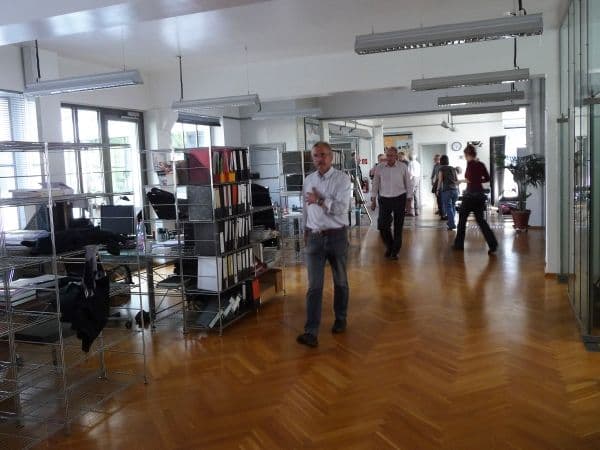
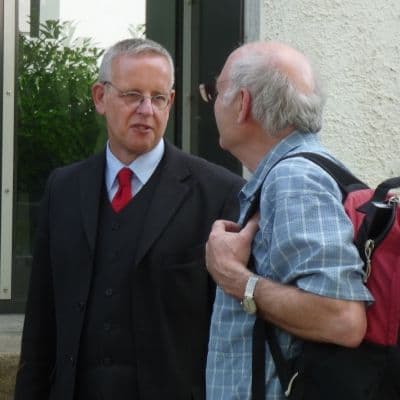
In Zwingenberg, Holger Zinke and Martin Langer from BRAIN (Biotechnology Research and Information Network) were waiting for them. The company is a pioneer and leader in white biotechnology. This field makes use of nature’s entire toolkit to replace conventional processes in the chemical industry with more environmentally friendly biological methods. Zinke, a molecular geneticist with a doctorate, is Chief Executive Officer of BRAIN and was awarded the German Environmental Prize in 2008 [Nachr. Chem. 2008,56,1157].
The visitors learned in the most impressive way about the enormous diversity of chemical processes that take place in nature. For example, in a microorganism called Acidanus ambivalens, which feels at home at 80°C and a pH of 2.5. It has a cell membrane, albeit a somewhat unusual one, and produces, among other things, the same amino acids inside itself as higher organisms. And that is not all: to live, it needs nothing other than sulphur, carbon dioxide and ammonia. This is enough to make seasoned industrial chemists crane their necks: a whole range of chemical processes based on CO2, with sulphur as the sole energy source!
Or termites, which famously live exclusively on wood, even though they are actually — like us humans — unable to digest the components of wood. To do this, they cultivate microorganisms in their digestive tract that produce cellulases and hemicellulases to break down the wood. Naturally, these microorganisms are passed on from one generation to the next!
The particular expertise of BRAIN’s employees lies in the fact that they can extract the DNA of numerous organisms from any given sample with extreme care and analyse its sequence. Even if the organisms themselves are for the most part unculturable, their DNA fragments can be cloned and stored in a format that permits screening at any time. A core component of BRAIN is therefore a very rapidly growing metagenomic library, currently comprising 200 million clones. They encode a wealth of new enzymes or entire metabolic processes — precisely the toolkit of nature.
BRAIN’s list of cooperation partners reads like a Who’s Who of the chemical and biochemical industries. BRAIN works with them on projects such as detergent enzymes that break down dirt particles at 40°C instead of 60°C. In Germany alone, this would mean a reduction in CO2 emissions of 1.3-106 t!
The visitors would also like to express their special thanks to Holger Zinke and Martin Langer in this way. They made a substantial contribution to ensuring that the excursion to the early-summer Bergstrasse had a scientific highlight. This is also demonstrated by the seniors’ willingness to discuss matters at BRAIN, even though they had already completed a hike lasting almost four hours. The finale featured hands-on and tasting biochemistry at the “Goldenen Löwen”, the ancestral home of the Simon-Bürkle winery in Zwingenberg.
Wolfgang Gerhartz