School and University

    Students and Apprentices

    Undergraduate and PhD Students

    Teachers

    Higher Education Statistics

    Scholarships

Career

    Career Guidance

    Job Vacancies

    Salary Information and Income Survey

    Academy

    Mentoring

Community

    Divisions

    Young Chemists’ Forum (JCF)

    Local Sections

    Regulars' Get-Togethers

    Chem_Connect

    Equal Opportunities and Diversity

    Partnerships and International Activities

    Volunteering

    Membership

Discover Chemistry

    Top Topics

    “Nachrichten aus der Chemie” – Members’ Magazine

    Specialist Journals

    Statements and Position Papers

    Press Releases

    Brochures and Academic Publications

    Books, Videos and Podcasts

    The Fascination of Chemistry

    Cartoons

    Biographies of Female Chemists

Events

    Conferences

    Academy

    Lectures

    Further Events

Awards

    Prizes

    Historical Sites Relating to Chemistry

About Us

    Board and Other Bodies

    The Office

    Statutes and Code of Conduct

    Foundations

    Press and Public Relations

    Sustainability

MyGDCh

GDCh

Chemistry for a better world

© 2026 Gesellschaft Deutscher Chemiker. All rights reserved.

NewsletterDownloadsPressContactGDCh Shop
Legal NoticeData PrivacyTerms & ConditionsSubmit a revocation
Homepage/Divisions/Senior Expert Chemists/Online lectures/Benedikt Steinbach
Online lectures

Benedikt Steinbach

Benedikt Steinbach

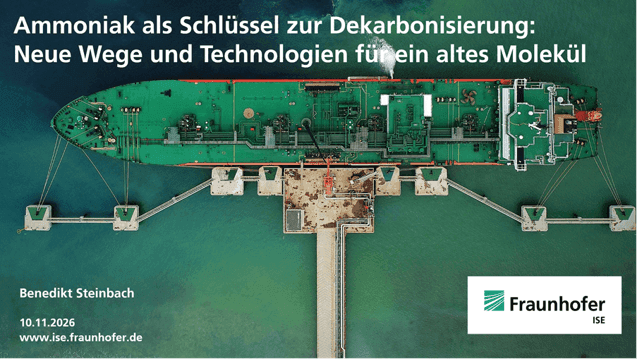
Ammonia as a key to decarbonisation: new pathways and technologies for an old molecule #

Online lecture by Benedikt Steinbach on 10 November 2026, 3 pm

Chair: Petra Schultheiß-Reimann

The lecture highlights current developments in the production of green hydrogen and discusses the challenges and solutions on the path to decarbonisation, as well as promising new applications of ammonia in industry. The aim is to provide a comprehensive understanding of how ammonia can help reduce carbon dioxide emissions and which technologies and strategies are needed to make this vision a reality.

Before the main lecture, there will be a five-minute start-up presentation. Ms Sena Demir will introduce MechSyn GmbH, a spin-off from the Max Planck Institute for Coal Research in Mülheim an der Ruhr (Prof. Ferdi Schüth), and give a presentation on “Rethinking chemical synthesis: mechanochemistry as an alternative to stirred-tank and tubular reactors.”

MechSyn GmbH specialises in the production and functionalisation of (nano)powders by mechanical synthesis. The lecture will show that this not only makes it possible to achieve special properties (e.g. stability), but also to save costs (energy).
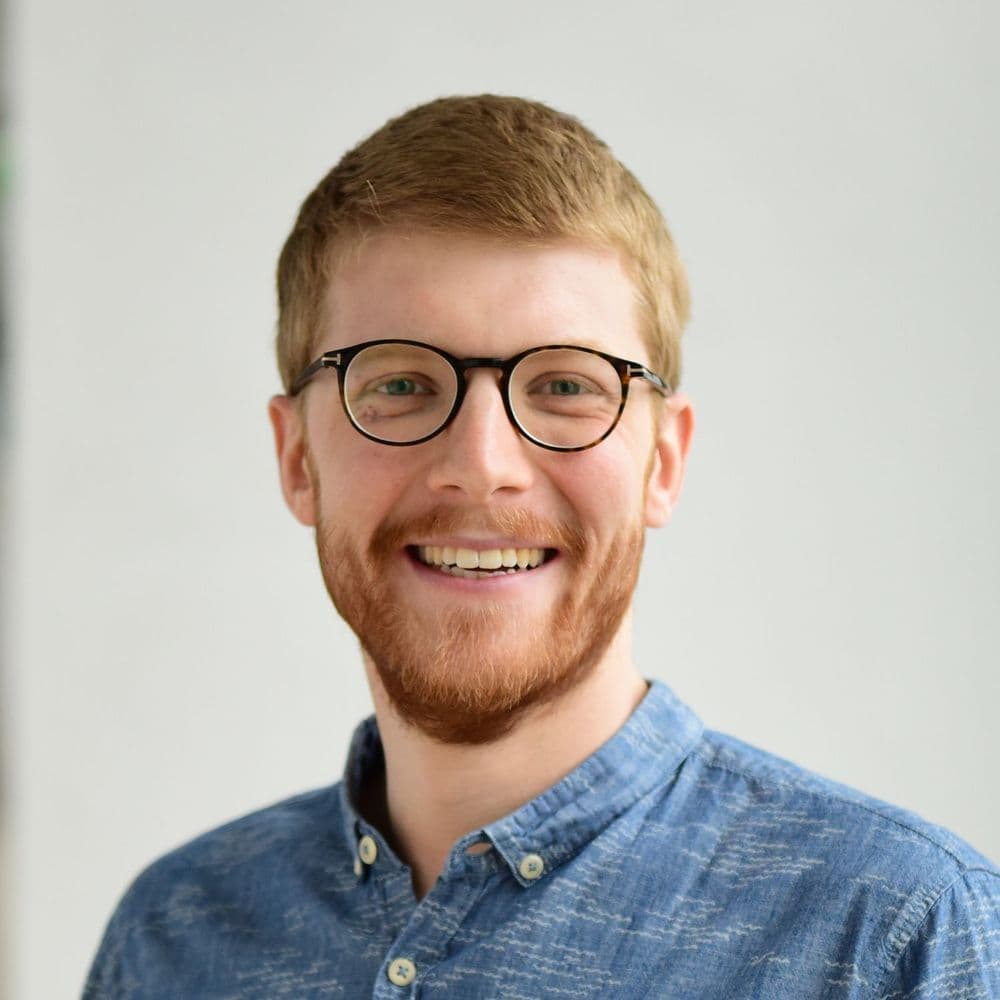
Benedikt Steinbach