
PhD Award
Since 2013, the GDCh Division of Medicinal Chemistry has awarded up to three prizes annually for outstanding doctoral theses in the fields of medicinal and pharmaceutical chemistry. Each prize consists of a certificate, prize money of 750 euros funded by the Division, two years of free membership of the Division and a short presentation on the award-winning work as part of the Division’s annual conference, "Frontiers in Medicinal Chemistry".
Deadline: 31 October 2026
Objective
The Division of Medicinal Chemistry of the German Chemical Society (GDCh) generally awards up to three prizes each year for outstanding doctoral theses in the fields of medicinal and pharmaceutical chemistry.
The prize
The award includes a certificate, prize money of 750 euros donated by the Division and two years of free membership of the Division. The prizes are awarded at the Division’s annual Conference, Frontiers in Medicinal Chemistry, taking place from 15 to 18 March 2027 in Freiburg . The awardees are invited to present their prize-winning work in a short presentation during the Conference. The Division will cover the costs of attending the Conference. The award is decided by a prize committee appointed by the Division Board.
Nomination/application
Nominations may be made by the academic supervisor, but applications are also welcome. The doctoral thesis must have been completed between October 2025 and September 2026. The informal application, which should include a brief justification for the proposal (max. 1 page), must be accompanied by the contact details of the person being nominated (including email address), their CV, publication list and the thesis itself.
Submission
Please send your proposals by email and combined into a single PDF file to the GDCh Office, for the attention of Maike Fries.

The PhD Award 2026 was presented to Dr. Erik Jung on 26 March 2026 on the occasion of the Divisions’ annual meeting "Frontiers in Medicinal Chemistry 2026" in Münster.
Dr. Erik Jung: "Awarded in recognition of his dissertation, completed at the University of Zurich in the working group of Prof. Dr. Karl Gademann, entitled "Reshaping Natural Products: New Fidaxomicin Antibiotics and Darobactin-Like Peptides". Dr. Jung developed innovative strategies for optimising the macrocyclic antibiotic fidaxomicin, including peripheral modifications, complexity reduction and a novel one-step approach to residue exchange using Pd-catalysed direct sugar exchange. The biological evaluation of his compounds produced promising results against various pathogenic bacterial species, including Mycobacterium tuberculosis and resistant strains. Erik Jung’s leadership in interdisciplinary collaborations and his dedication underpin this exceptional work and highlight the potential of creative medicinal chemistry to expand the therapeutic applications of natural products."

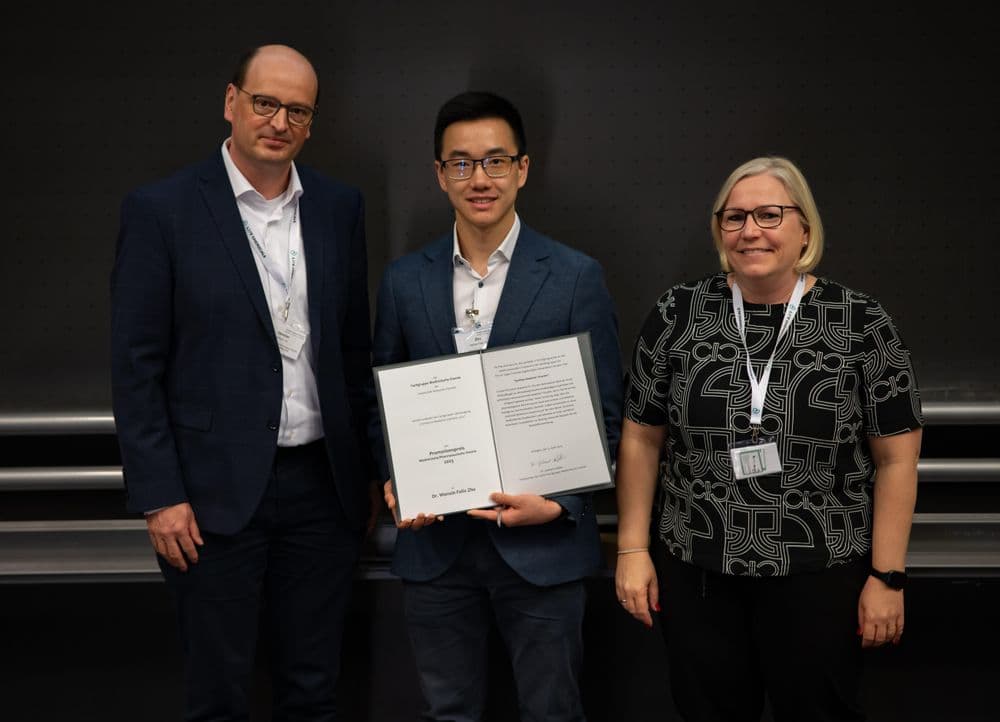
The PhD Award 2025 was presented on 3 April 2025 on the occasion of the Divisions’ annual meeting "Frontiers in Medicinal Chemistry 2025" in Erlangen to Dr. Florian Brandt and Dr. Wenxin Felix Zhu .
Dr. Florian Brandt: in recognition of his dissertation entitled Modulation of the Pharmacokinetics of Peptide-Based Radiotheranostics – Characterisation of Albumin Binders and Neprilysin-Targeted Cleavage Sequences. "In his doctoral research, Dr. Brandt optimised theranostic radioligands using small-molecule albumin binders and linkers cleavable by neprilysin. The novel heterobivalent radioligands, which target both somatostatin receptor subtype 2 and albumin, show increased tumour uptake and reduced renal accumulation. His outstanding work demonstrates the potential of new radioligands for clinical translation."
Dr. Wenxin Felix Zhu: in recognition of his dissertation entitled Synthesis of Bioactive Tricycles. "In his doctoral research, Dr. Zhu established the potassium channel Slack as a new drug target for the treatment of histamine-independent itching and synthesised promising bioactive tricycles that were successfully tested in animal studies. His research shows that the pharmacological activation of Slack represents a safe and effective strategy for reducing itching. In addition, he developed new chemical reactions based on the nitrene-like reactivity of the oxadiazolone and worked on a nitrene-based cycloaddition to form relevant bicyclic compounds for drug development."
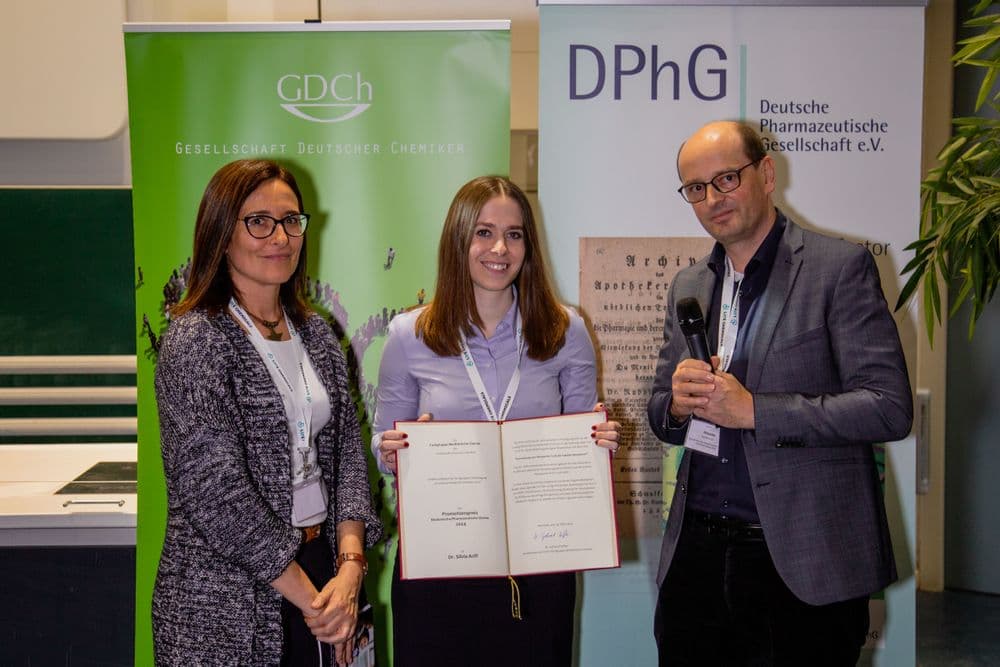
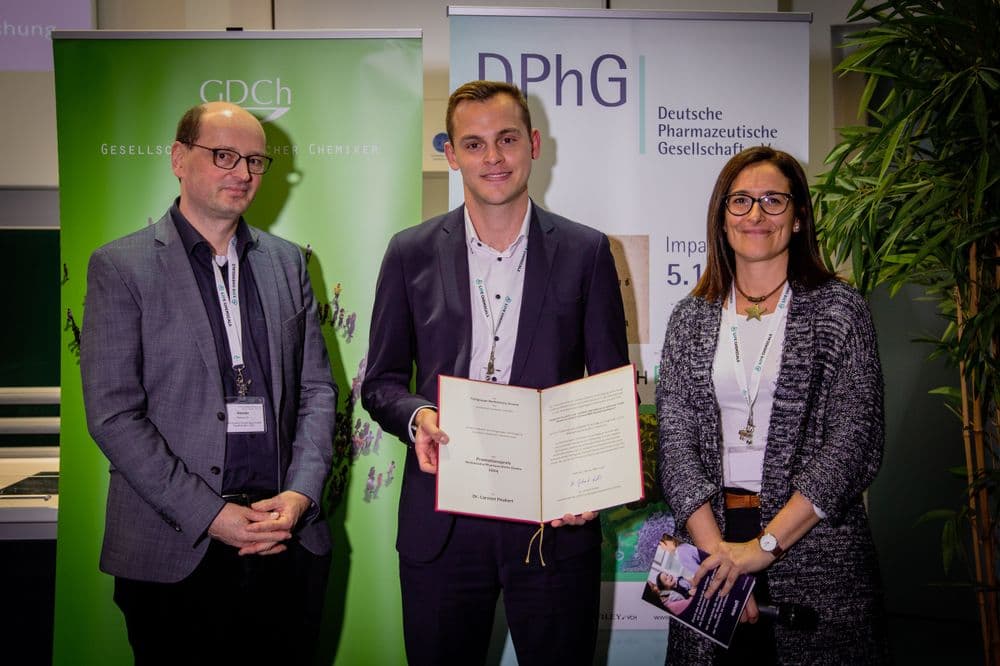
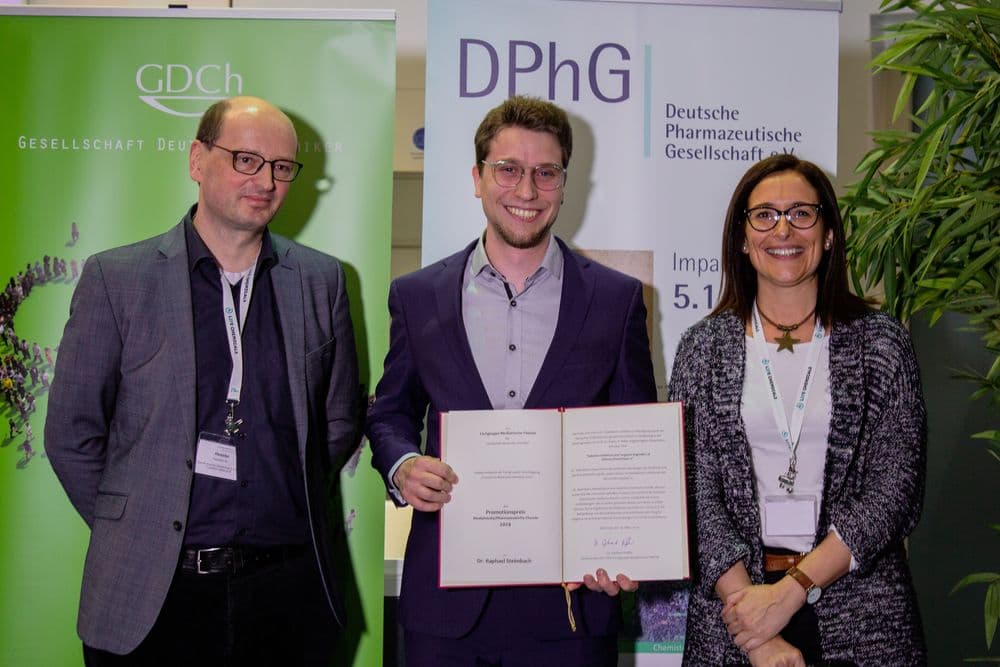
The PhD Award 2024 was presented on 19 March 2024 on the occasion of the Divisions' annual conference "Frontiers in Medicinal Chemistry 2024" in Munich to Dr. Silvia Arifi, Dr. Carsten Peukert and Dr. Raphael Steimbach .
Dr. Silvia Arifi: in recognition of her dissertation entitled Development of Chemical Tools for Nuclear Receptors. "Dr. Arifi developed innovative ligands for peroxisome proliferator-activated receptor gamma (PPARγ) and the orphan receptors Nur77 and NOR-1. In her work, starting from a fragment-based approach, she identified new ligands for the poorly researched nuclear receptors Nur77 and NOR-1. The discovery of allosteric modulators for PPARγ was successfully used to demonstrate new pharmacological effects compared with established PPARγ ligands."
Dr. Carsten Peukert: in recognition of his dissertation entitled Using iron to catch a ride - synthetic siderophores as molecular 'Trojan Horses' to visualize and treat MDR bacterial pathogens. "Dr. Peukert made significant contributions to the diagnosis and combating of bacterial infections. As part of his doctoral research, he addressed the inadequate transport of active substances into Gram-negative pathogens, which is considered a key problem underlying intrinsic antibiotic resistance. He designed highly sensitive probes for detecting these pathogens and translated the principle into a PET probe, which is now being further developed for use in humans."
Dr. Raphael Steimbach: in recognition of his dissertation entitled Selective Inhibitors and Targeted Degraders of Histone Deacetylase 10. "Dr. Steimbach's dissertation demonstrates the design, synthesis and characterisation of the first class of highly selective inhibitors of histone deacetylase 10. Dr. Steimbach identified a selective chemical probe that, for the first time, enabled the presumed cellular function of HDAC10 as a polyamine deacetylase to be validated, and he discovered the first compounds that led to the targeted degradation of HDAC in cells. His findings devalidated the role of HDAC10 in the treatment of neuroblastomas and paved the way for possible new therapeutic applications of HDAC10 inhibitors."
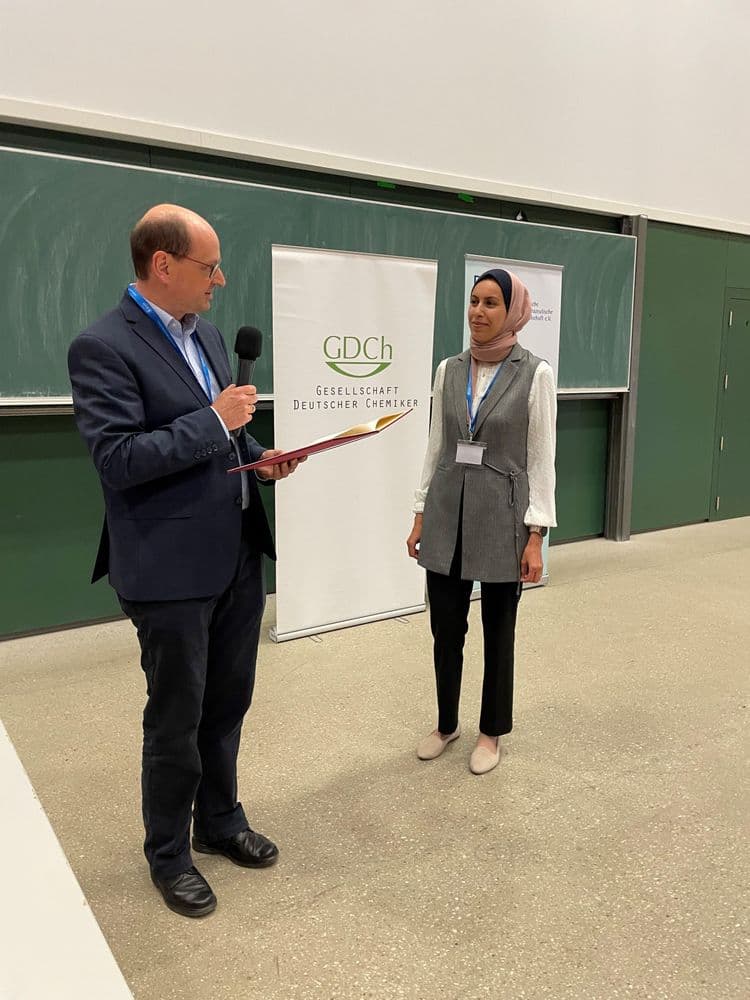
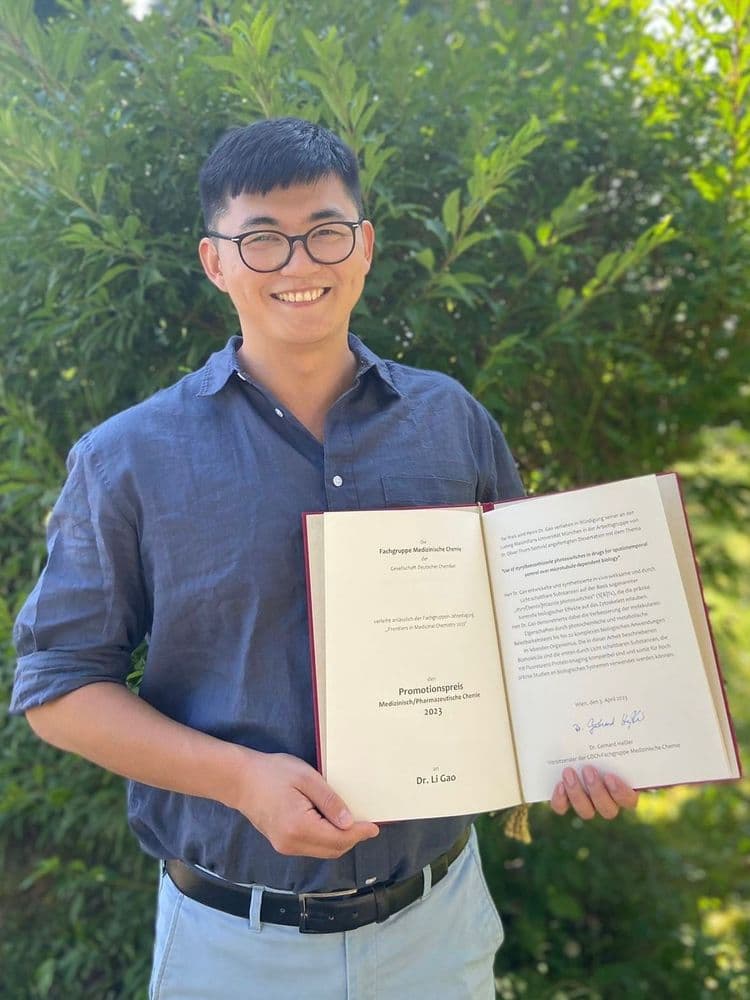
The PhD Award 2023 was presented on 3 April 2023 at FiMC 2023 in Vienna to Dr. Alaa Alhayek and Dr. Li Gao .
Ms Dr. Alhayek: in recognition of her dissertation entitled Exploring bacterial metalloproteases as promising drug targets. "Dr. Alhayek characterised the biological effect of new, selective and chemically stable inhibitors of bacterial metalloprotease virulence factors in cellular in-vitro assays, as well as in ex-vivo and in-vivo infection models. Her work also led to the discovery of new inhibitors of bacterial virulence factors. In her work, Dr. Alhayek successfully shed light on the role of such inhibitors in the course of infection, thereby demonstrating the potential of inhibiting bacterial virulence factors for the future treatment of bacterial infections."
Mr Dr. Gao: in recognition of his dissertation entitled Use of styrylbenzothiazole photoswitches in drugs for spatiotemporal control over microtubule-dependent biology. "Dr. Gao developed and synthesised in-vivo-active, light-switchable compounds based on so-called ‘styryl[benzo]thiazole photoswitches’ (S[B]Ts), which enable the precise control of biological effects on the cytoskeleton. Dr. Gao demonstrated the improvement of the molecular properties through photochemical and metabolic stability tests, extending to complex biological applications in living organisms. The biomolecules described in this work are the first light-switchable compounds compatible with fluorescent protein imaging and can therefore be used for highly precise studies of biological systems."
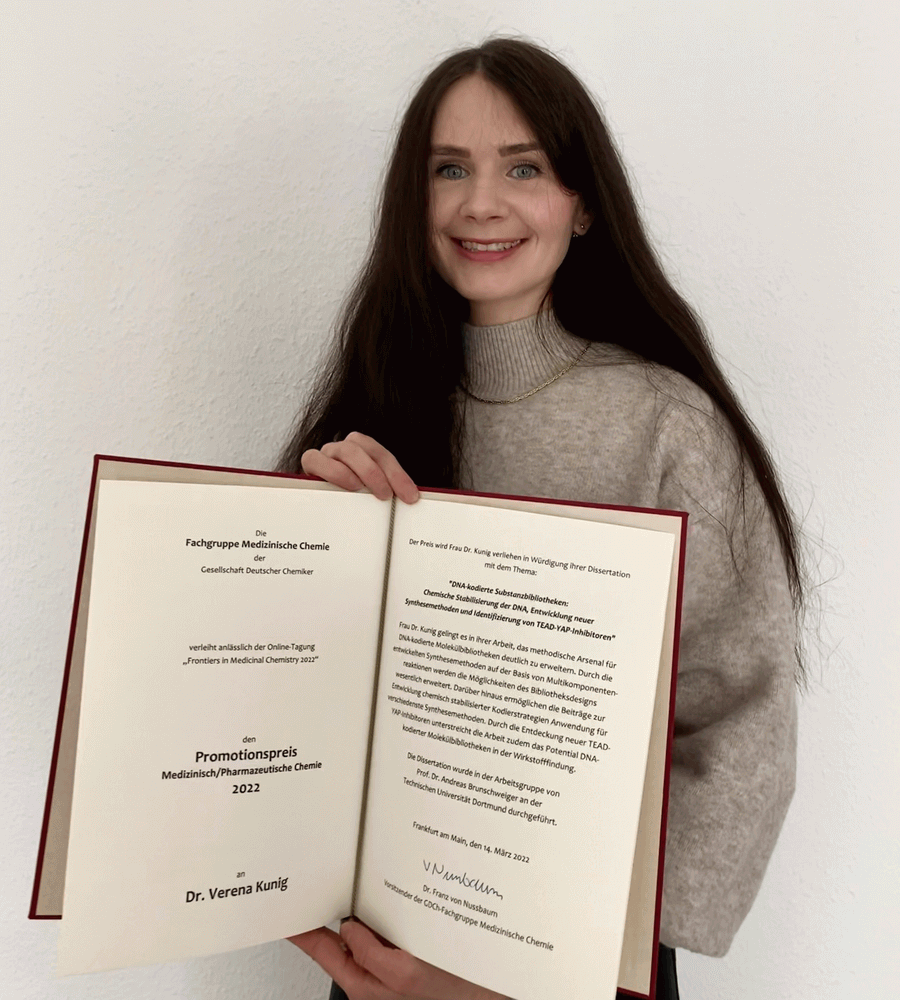
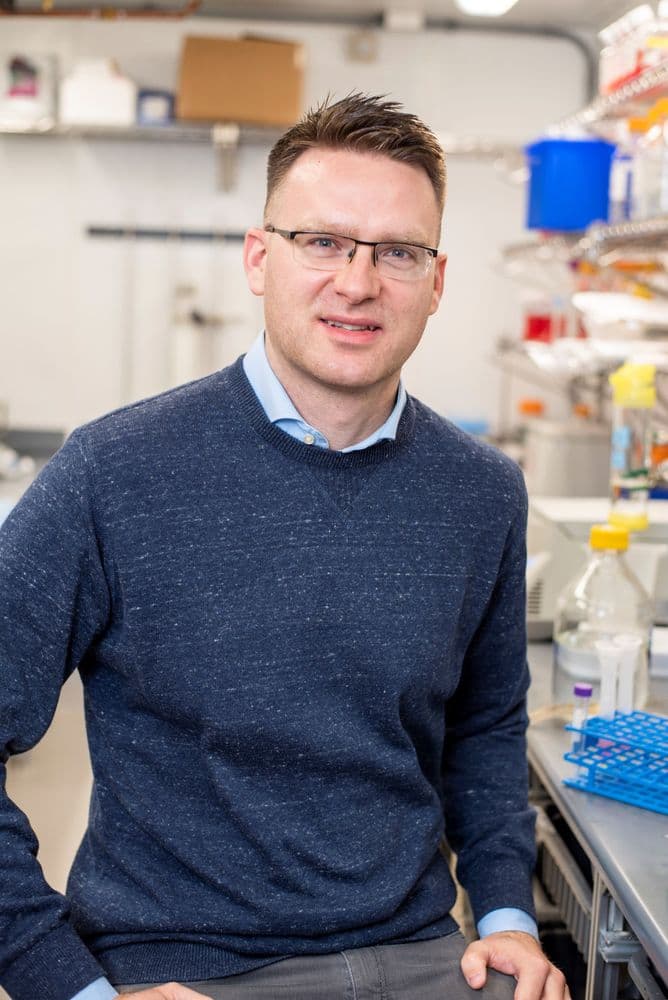
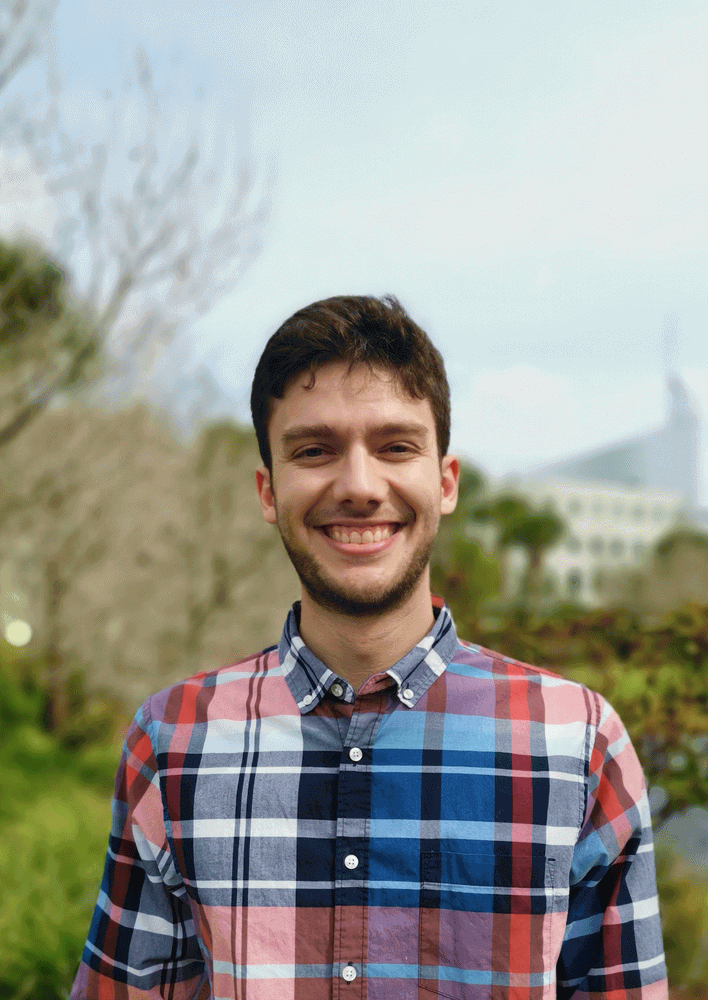
The PhD Award was presented on 14 March 2022 on the occasion of Online-FiMC 2022 to Dr. Verena Kunig, Dr. Johannes Morstein and Dr. Patrick Zanon .
Dr. Kunig: in recognition of her dissertation entitled DNA-encoded compound libraries: Chemical stabilisation of DNA, development of new synthesis methods and identification of TEAD-YAP inhibitors. "In her work, Dr Kunig succeeds in significantly expanding the methodological arsenal for DNA-encoded molecular libraries. The synthesis methods developed on the basis of multicomponent reactions substantially expand the possibilities for library design. In addition, the contributions to the development of chemically stabilised encoding strategies enable applications for a wide range of synthesis methods. The discovery of new TEAD-YAP inhibitors also underlines the potential of DNA-encoded molecular libraries in drug discovery. The dissertation was carried out in the working group of Prof. Dr Andreas Brunschweiger at Dortmund University of Technology."
Dr. Morstein: in recognition of his dissertation entitled "Optical Control of Lipid Signaling. "Dr Morstein successfully introduces photoswitchable functional groups into lipids that are involved in various signalling processes, thereby enabling entirely new possibilities for controlling specific signalling pathways with light. The potential of these new tools was used directly in this outstanding work to study signalling processes. The work thus makes a significant contribution to expanding the possibilities for the targeted control of biological functions using chemical tools. The dissertation was completed in the working group of Prof. Dr Dirk Trauner at New York University."
Dr. Zanon: in recognition of his dissertation entitled Development of methods and covalent ligands for the chemoproteomic exploration of the ligandability of bacterial proteomes. "This outstanding work develops selective chemical probes to investigate the addressability of nine different amino acids and uses them to characterise their reactivity towards electrophiles in the bacterial proteome. This work thereby demonstrates the potential of new chemical methods in drug research and opens up new possibilities for treating antibiotic-resistant infectious diseases. The dissertation was carried out in the working group of Prof. Dr Stephan Hacker at Technical University of Munich."
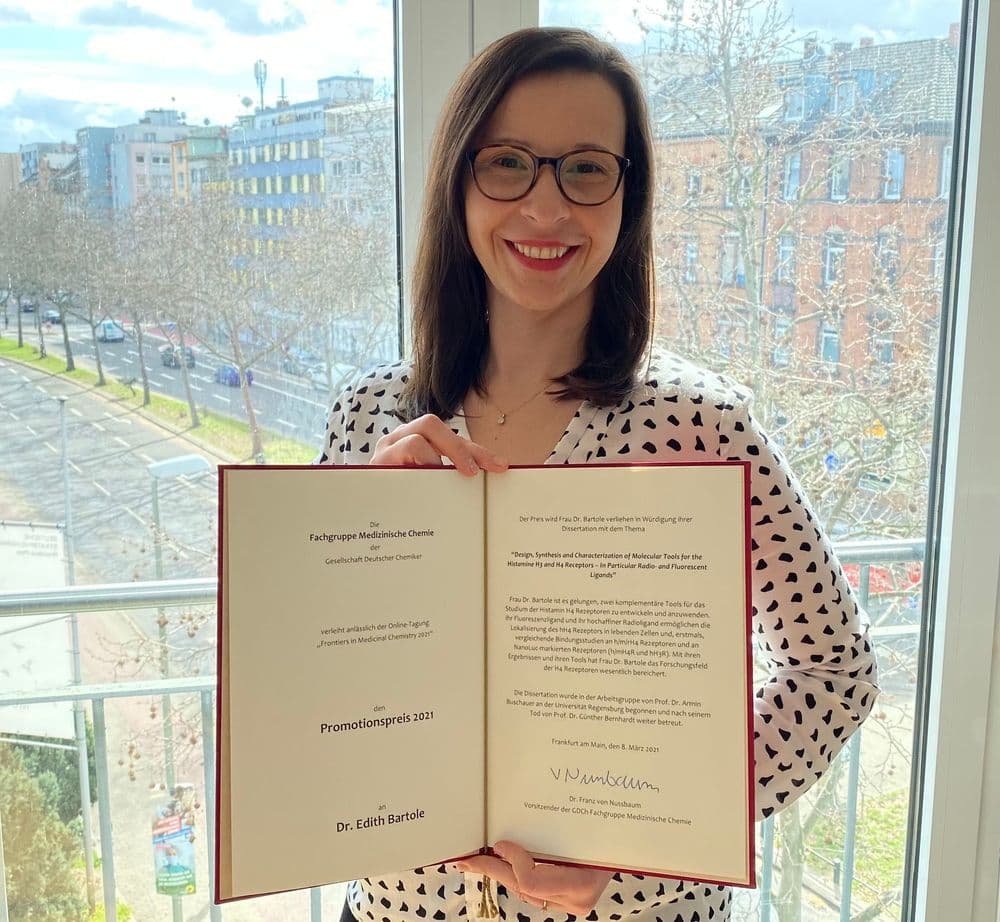
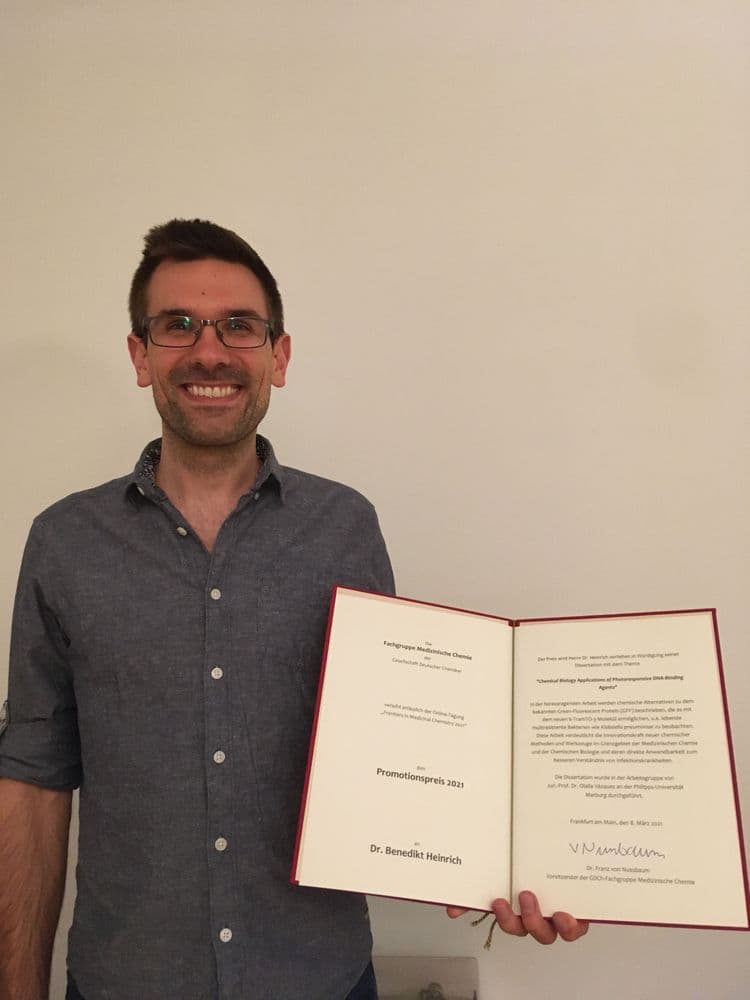
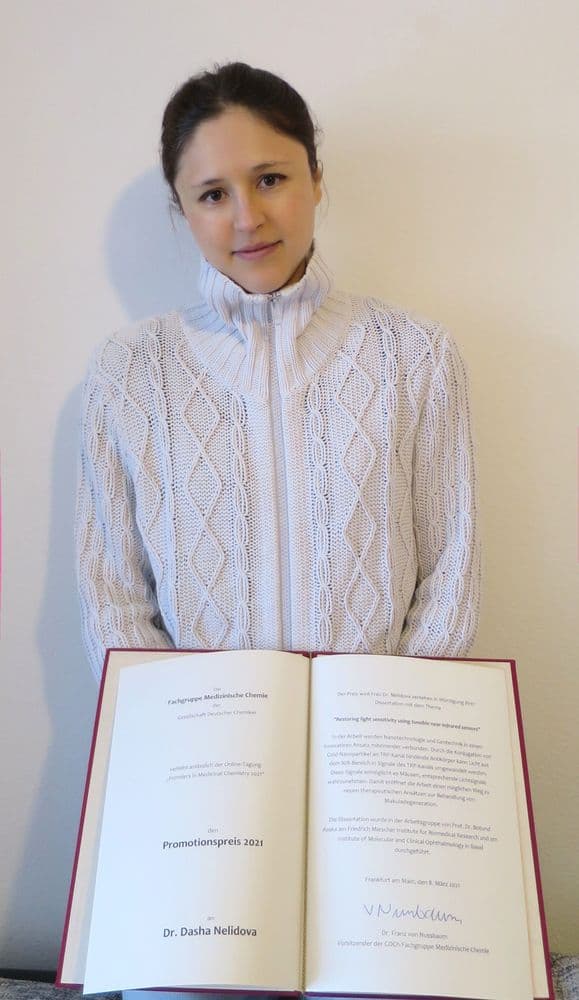
The doctoral awards were presented at the Online-FiMC 2021“ to Dr. Edith Bartole, Dr. Benedikt Heinrich and Dr. Dasha Nelidova .
Dr. Bartole: in recognition of her dissertation entitled Design, Synthesis and Characterization of Molecular Tools for the Histamine H3 and H4 Receptors – In Particular Radio- and Fluorescent Ligands. "Dr. Bartole succeeded in developing and applying two complementary tools for studying histamine H4 receptors. Her fluorescent ligand and her high-affinity radioligand enable the localisation of the hH4 receptor in living cells and, for the first time, comparative binding studies on h/m/rH4 receptors and NanoLuc-labelled receptors (h/mH4R and hH3R). Through her results and tools, Dr. Bartole has made a significant contribution to the field of H4 receptor research. The dissertation was begun in the working group of Prof. Dr. Armin Buschauer at the University of Regensburg and, following his death, was supervised by Prof. Dr. Günther Bernhardt."
Dr. Heinrich: in recognition of his dissertation entitled Chemical Biology Applications of Photoresponsive DNA-Binding Agents. "This outstanding work describes chemical alternatives to the well-known Green Fluorescent Protein (GFP), which, with the new 6 TramTO 3 molecule, make it possible, among other things, to observe living multidrug-resistant bacteria such as Klebsiella pneumoniae. This work demonstrates the innovative power of new chemical methods and tools at the interface of medicinal chemistry and chemical biology, as well as their direct applicability to improving our understanding of infectious diseases. The dissertation was conducted in the working group of Jun.-Prof. Dr. Olalla Vázquez at Philipps-Universität Marburg."
Dr. Nelidova: in recognition of her dissertation entitled Restoring light sensitivity using tunable near-infrared sensors. "The work combines nanotechnology and genetic engineering in an innovative approach. By conjugating gold nanoparticles to TRP channel-binding antibodies, light from the NIR range can be converted into TRP channel signals. These signals enable mice to perceive the corresponding light signals. The work thus opens up a possible path towards new therapeutic approaches for treating macular degeneration. The dissertation was conducted in the working group of Prof. Dr. Botond Roska at the Friedrich Miescher Institute for Biomedical Research and the Institute of Molecular and Clinical Ophthalmology in Basel."
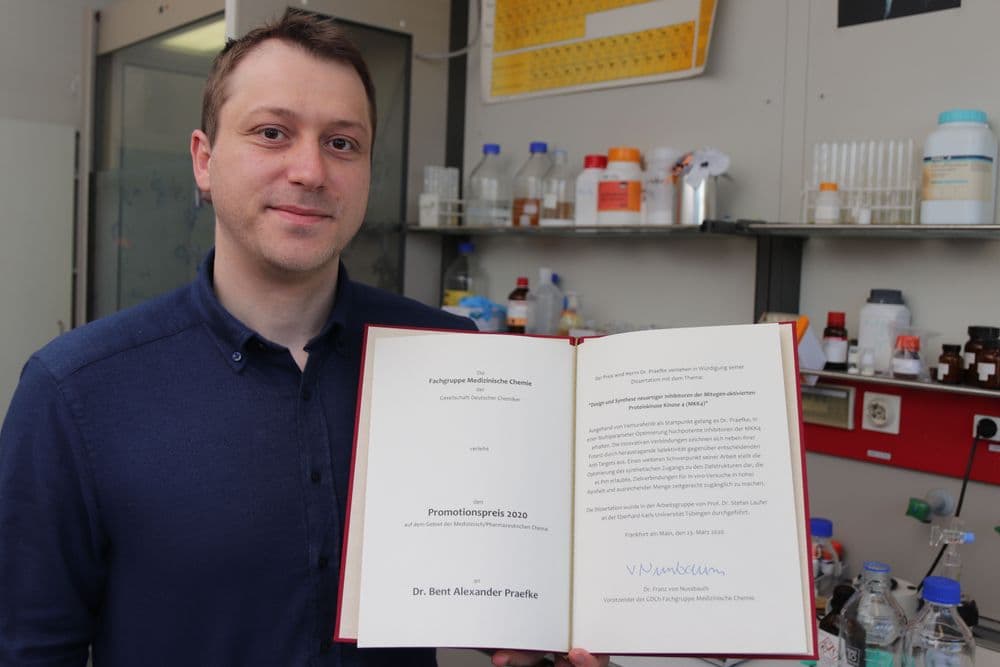
The 2020 doctoral awards went to Dr. Charlotte Steiniger and Dr. Bent Alexander Praefke for their outstanding dissertations.
Dr. Charlotte Steiniger in recognition of her dissertation entitled Studies on the Mechanism and the Reprogramming of Fungal Iterative Cyclodepsipeptide Synthetases. "In her work, Dr. Steiniger modified fungal non-ribosomal peptide synthetases. This enabled her to make novel bioactive cyclodepsipeptide derivatives accessible, for which, among other things, a high antiparasitic effect was demonstrated. This enabled her to establish a foothold in bioengineering and the design of new peptides with pharmacological potential in the field of fungal systems. Her results provided concrete evidence for the active and application-oriented reprogramming of both iterative and linear synthetases for future manipulation approaches. The dissertation was carried out in the working group of Prof. Dr. Roderich D. Süssmuth at Technische Universität Berlin."
Dr. Bent Alexander Praefke in recognition of his dissertation entitled Design and Synthesis of Novel Inhibitors of Mitogen-Activated Protein Kinase Kinase 4 (MKK4). "Using Vemurafenib as a starting point, Dr. Praefke succeeded in obtaining highly potent MKK4 inhibitors through multiparameter optimisation. In addition to their potency, the innovative compounds are distinguished by outstanding selectivity towards key anti-targets. A further focus of his work was the optimisation of synthetic access to the target structures, enabling him to make target compounds for in vivo experiments available in high purity and sufficient quantities on schedule. The dissertation was carried out in the working group of Prof. Dr. Stefan Laufer at Eberhard Karls University Tübingen."
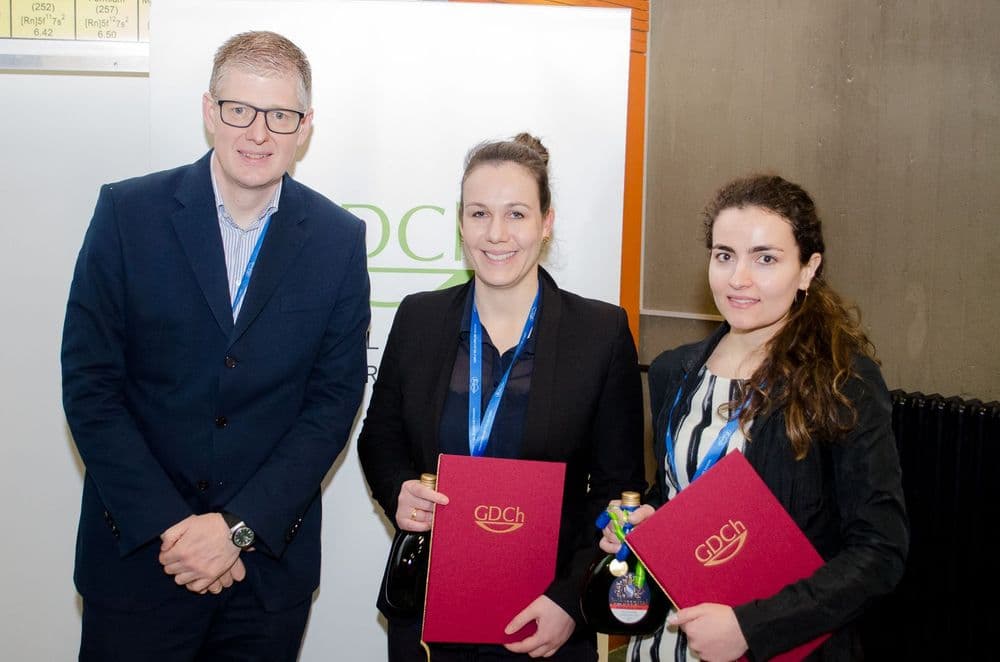
The doctoral prizes were awarded at FiMC 2019 to Dr. Elena De Vita, Dr. Natascha Stergiou and Dr. Robert Heinze for their outstanding dissertations.
In her dissertation "Small molecule KLK6 inhibitors" , Dr. Elena De Vita synthesised and characterised selective and highly potent KLK6 inhibitors and KLK6 activity probes. Her “tool compounds” enable the physiological and pathophysiological validation of KLK6 as a potential drug target.
In her dissertation "Use of tumour-associated mucin 1 (MUC1) for the generation of anti-tumour vaccines and monoclonal antibody derivatives as a basis for the therapy and diagnosis of breast cancer" , Dr. Natascha Stergiou succeeded in selecting suitable synthetic glycopeptide MUC1-TTox vaccines, which showed strongly delayed tumour growth in the preclinical breast tumour model and led to a marked increase in lifespan in vaccinated animals. This achieved crucial prerequisites for the clinical and immunotherapeutic testing of these vaccines.
In his dissertation "Scaffold Manipulations for the Synthesis of Seco- and abeo-Steroids" , Dr. Robert Heinze describes new approaches to the synthesis of abeo-steroids and succeeded in synthesising Stophasterol A, a promising lead structure for Alzheimer's therapy. A new route to 9,11-secosteroids also enabled the efficient synthesis of the three natural products Ganoderin A, Leptosterol A and Pinnisterol D.
| 2026 | Dr. Erik Jung, Zürich, CH | |||
| 2025 | Dr. Florian Brandt, Dresden-Rossendorf Dr. Wenxin Felix Zhu, Frankfurt | |||
| 2024 | Dr. Silvia Arifi, Munich Dr. Carsten Peukert, Hanover Dr. Raphael Steimbach, Heidelberg | |||
| 2023 | Dr. Alaa Alhayek, Saarbrücken Dr. Li Gao, Munich | |||
| 2022 | Dr. Verena Kunig, Dortmund Dr. Johannes Morstein, New York Dr. Patrick Zanon, Munich | |||
| 2021 | Dr. Edith Bartole, Regensburg Dr. Benedikt Heinrich, Marburg Dr. Dasha Nelidova, Basel | |||
| 2020 | Dr. Bent Alexander Praefke, Tübingen Dr. Charlotte Steiniger, Berlin | |||
| 2019 | Dr. Elena De Vita, Heidelberg Dr. Natascha Stergiou, Mainz Dr. Robert Heinze, Berlin | |||
| 2018 | Dr. Stefan Krimmer, New Haven, USA | |||
| 2017 | Dr. Norbert Furtmann, Bonn | |||
| 2016 | Dr. Matthias Gehringer, Zürich | |||
| 2015 | Dr. Christoph Nitsche, Heidelberg Dr. Johannes Schiebel, Marburg Dr. Dominik Tobias Thimm, Bonn | |||
| 2014 | Dr. Florian Rechenmacher, Munich Dr. Miriam Sindelar, Munich Dr. Matthias Wirth, Lausanne | |||
| 2013 | Dr. Tobias Klein, Saarbrücken Dr. Hannes Schleifer, Graz |