
Marianne Baudler Prize
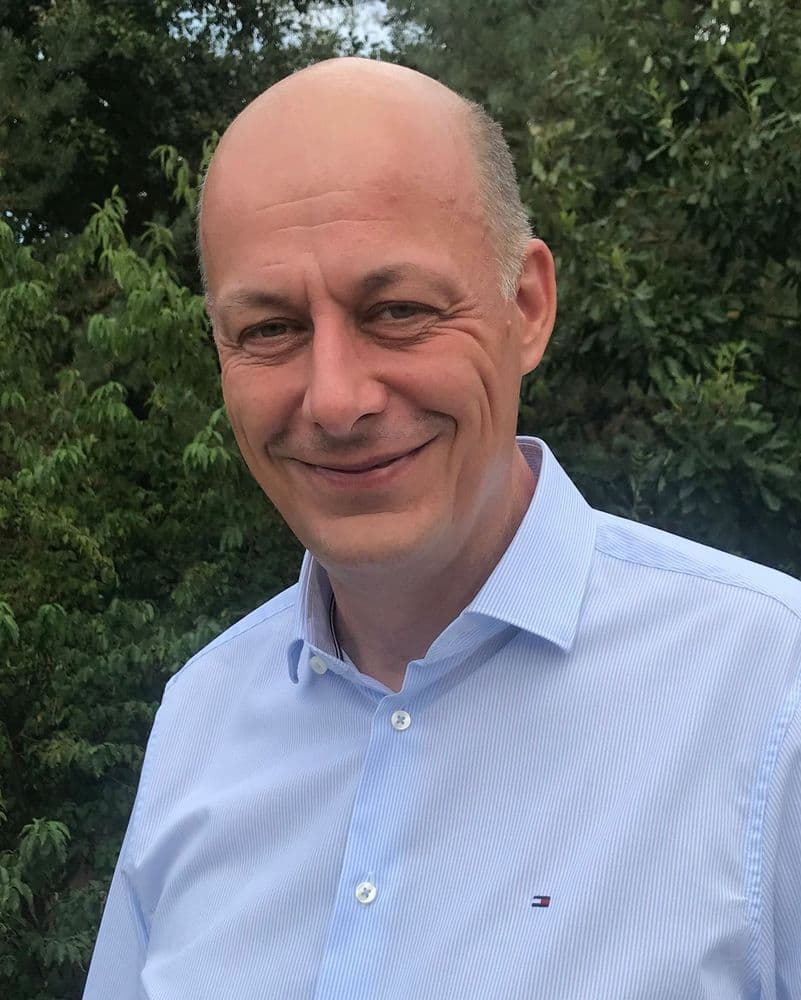
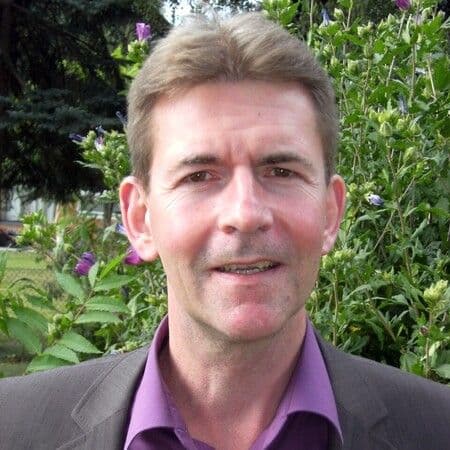
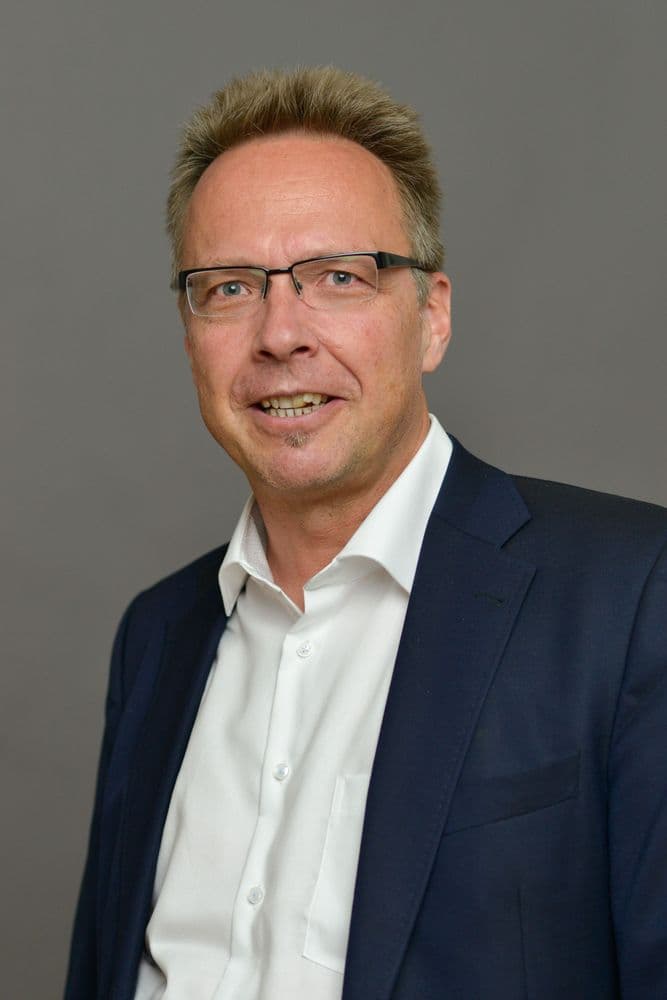
Professor Peter Roesky receives the Marianne Baudler Prize for his innovative and pioneering contributions to lanthanoid chemistry. He has had a lasting influence on this field of chemistry. In addition to synthesising numerous novel compounds, he has also described their successful applications, for example in catalytic processes or in the production of luminescent and magnetic materials. Outstanding and versatile synthetic strategies, systematic investigations of structure and properties, and intelligent ligand design, which has recently enabled access to spectacular polynuclear complexes, form the basis of his successes.
| 2024 | Peter W. Roesky, Karlsruhe Institute of Technology |
| 2022 | Franc Meyer, Georg August University of Göttingen |
| 2020 | Stefanie Dehnen, Marburg |
| 2018 | Christian Limberg, Berlin |
| 2016 | Holger Braunschweig, Würzburg |
| 2014 | Wolfgang Kaim, Stuttgart |
| 2012 | Werner Uhl, Münster |
| 2010 | Matthias Drieß, Berlin |
| 2008 | Michael Lappert, Brighton/UK |
| 2006 | Karl Otto Christe, Los Angeles CA/USA |
| 2004 | Hans Georg Schnöckel, Karlsruhe |
| 2002 | Peter Jutzi, Bielefeld |
| 2000 | Achim Müller, Bielefeld |
| 1998 | Peter Paetzold, Aachen |
| 1996 | Martin Jansen, Bonn |
| 1994 | Otto J. Scherer, Kaiserslautern |
| 1992 | Gottfried Huttner, Heidelberg |
| 1990 | Herbert W. Roesky, Göttingen |
| 1988 | Helmut Werner, Würzburg |
| 1986 | Marianne Baudler, Cologne |
| 1983 | Eugene G. Rochow, Captiva/USA |
| 1982 | Hubert Schmidbaur, Munich |
| 1981 | Hans Georg von Schnering, Stuttgart |
| 1979 | Ulrich Wannagat, Braunschweig |
| 1976 | Heinrich Nöth, Munich |
| 1974 | Rudolf Hoppe, Gießen |
| 1972 | Max Schmidt, Würzburg |
| 1970 | Gerhard Fritz, Karlsruhe |
| 1967 | Harald Schäfer, Münster |
| 1964 | Werner Fischer, Hanover |
| 1963 | Friedrich Seel, Saarbrücken |
| 1961 | Margot Becke-Goehring, Heidelberg |
| 1959 | Ernst Otto Fischer, Munich |
| 1958 | Rudolf Scholder, Karlsruhe |
| 1956 | Hermann Irving Schlesinger, Chicago/USA |
| 1955 | Ulrich Hofmann, Darmstadt |
| 1954 | Harry Julius Emeléus, Cambridge/UK |
| 1953 | Josef Goubeau, Stuttgart |
| 1952 | Robert Schwarz, Aachen |
| 1951 | Walter Hieber, Munich |
| 1950 | Egon Wiberg, Munich |
| 2026 | Ingo Krossing, Freiburg |
| 2024 | Peter W. Roesky, Karlsruhe Institute of Technology |
| 2022 | Franc Meyer, Georg-August University Göttingen |
| 2020 | Stefanie Dehnen, Marburg |
| 2018 | Christian Limberg, Berlin |
| 2016 | Holger Braunschweig, Würzburg |
| 2014 | Wolfgang Kaim, Stuttgart |
| 2012 | Werner Uhl, Münster |
| 2010 | Matthias Drieß, Berlin |
| 2008 | Michael Lappert, Brighton/UK |
| 2006 | Karl Otto Christe, Los Angeles CA/USA |
| 2004 | Hans Georg Schnöckel, Karlsruhe |
| 2002 | Peter Jutzi, Bielefeld |
| 2000 | Achim Müller, Bielefeld |
| 1998 | Peter Paetzold, Aachen |
| 1996 | Martin Jansen, Bonn |
| 1994 | Otto J. Scherer, Kaiserslautern |
| 1992 | Gottfried Huttner, Heidelberg |
| 1990 | Herbert W. Roesky, Göttingen |
| 1988 | Helmut Werner, Würzburg |
| 1986 | Marianne Baudler, Cologne |
| 1983 | Eugene G. Rochow, Captiva/USA |
| 1982 | Hubert Schmidbaur, Munich |
| 1981 | Hans Georg von Schnering, Stuttgart |
| 1979 | Ulrich Wannagat, Brunswick |
| 1976 | Heinrich Nöth, Munich |
| 1974 | Rudolf Hoppe, Gießen |
| 1972 | Max Schmidt, Würzburg |
| 1970 | Gerhard Fritz, Karlsruhe |
| 1967 | Harald Schäfer, Münster |
| 1964 | Werner Fischer, Hanover |
| 1963 | Friedrich Seel, Saarbrücken |
| 1961 | Margot Becke-Goehring, Heidelberg |
| 1959 | Ernst Otto Fischer, Munich |
| 1958 | Rudolf Scholder, Karlsruhe |
| 1956 | Hermann Irving Schlesinger, Chicago/USA |
| 1955 | Ulrich Hofmann, Darmstadt |
| 1954 | Harry Julius Emeléus, Cambridge/UK |
| 1953 | Josef Goubeau, Stuttgart |
| 1952 | Robert Schwarz, Aachen |
| 1951 | Walter Hieber, Munich |
| 1950 | Egon Wiberg, Munich |
Prof. Dr. Christian Limberg, Humboldt-Universität zu Berlin (Federführung)
Prof. Dr. Stefanie Dehnen, Karlsruher Institut für Technologie
Prof. Dr. Bettina Valeska Lotsch, Max-Planck-Institut für Festkörperforschung
Prof. Dr. Nils Metzler-Nolte, Ruhr-Universität Bochum
Prof. Dr. Michael Ruck, TU Dresden
Dr. Andrey Karpov, BASF