
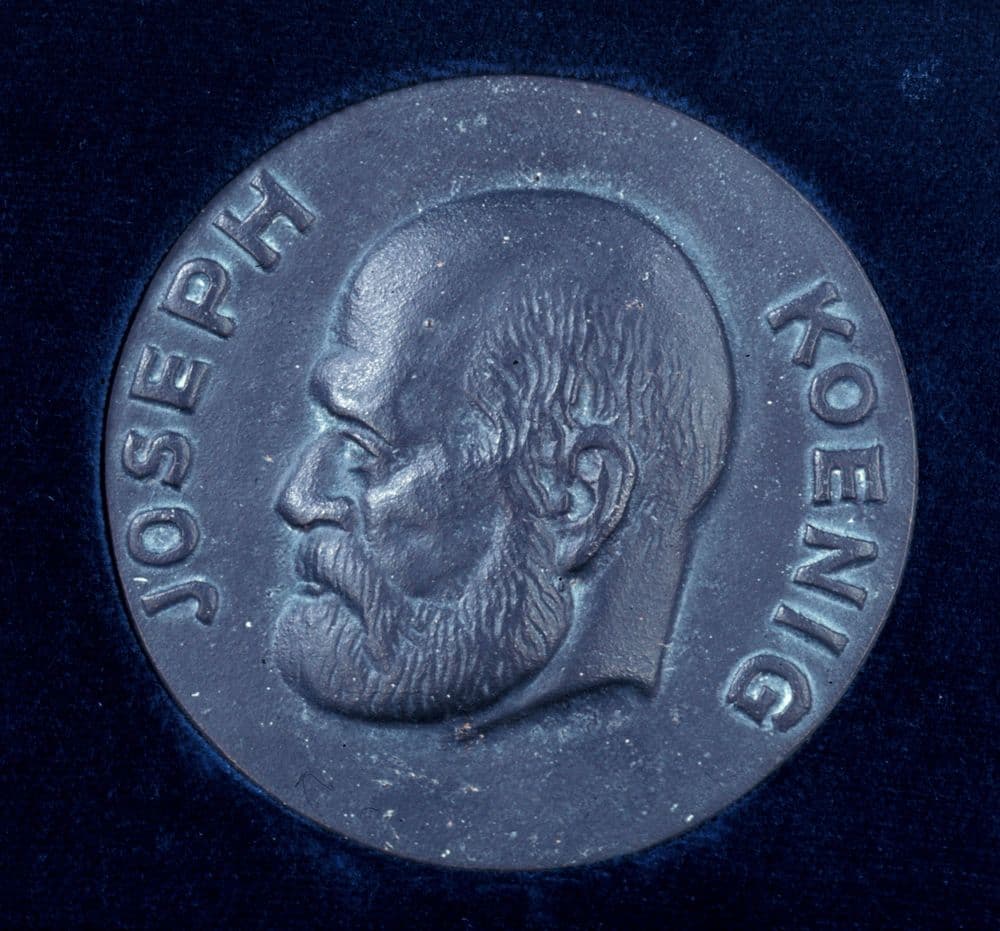
Joseph König commemorative medal
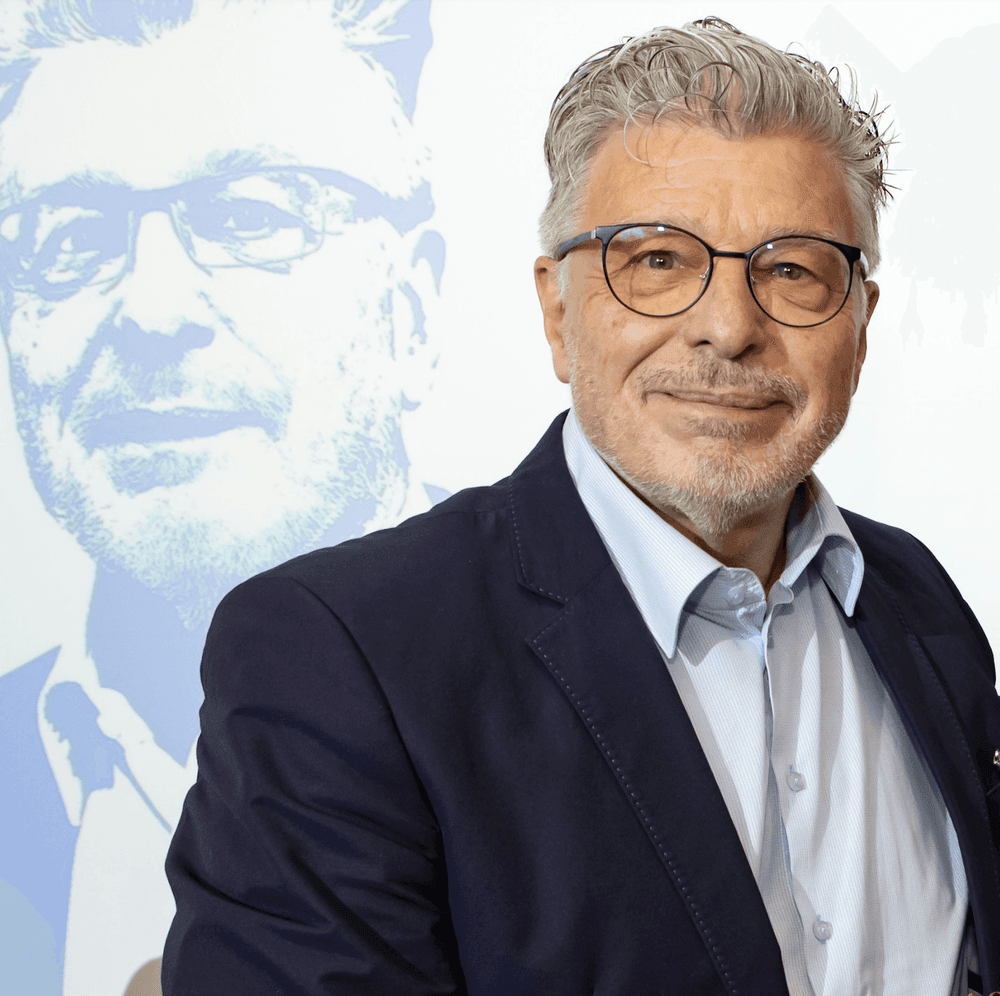
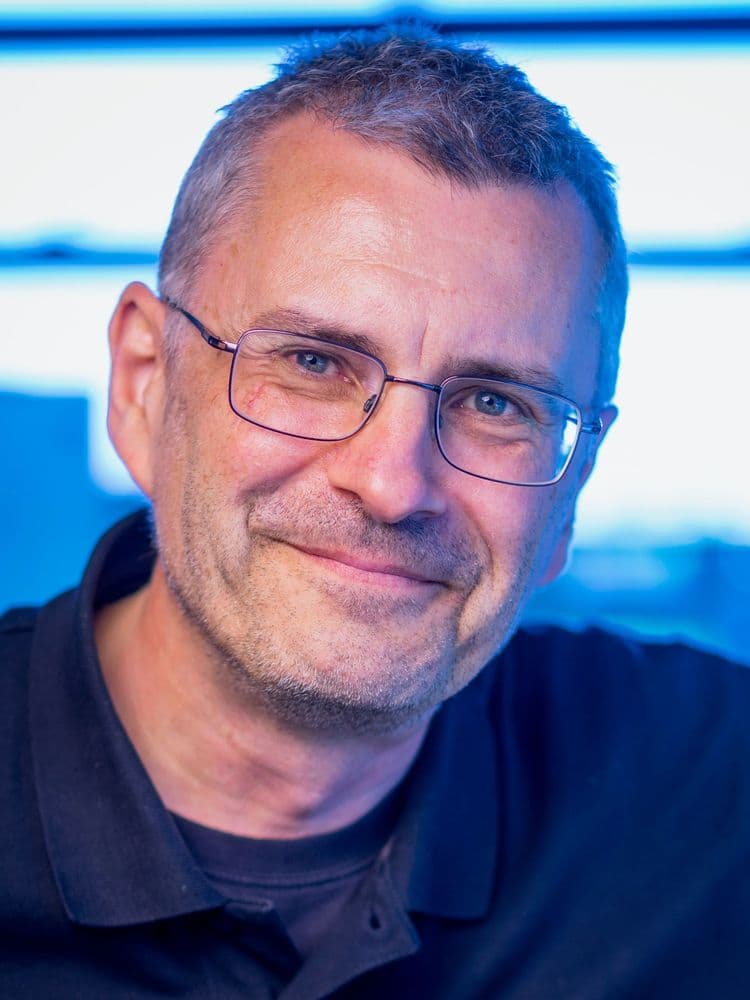
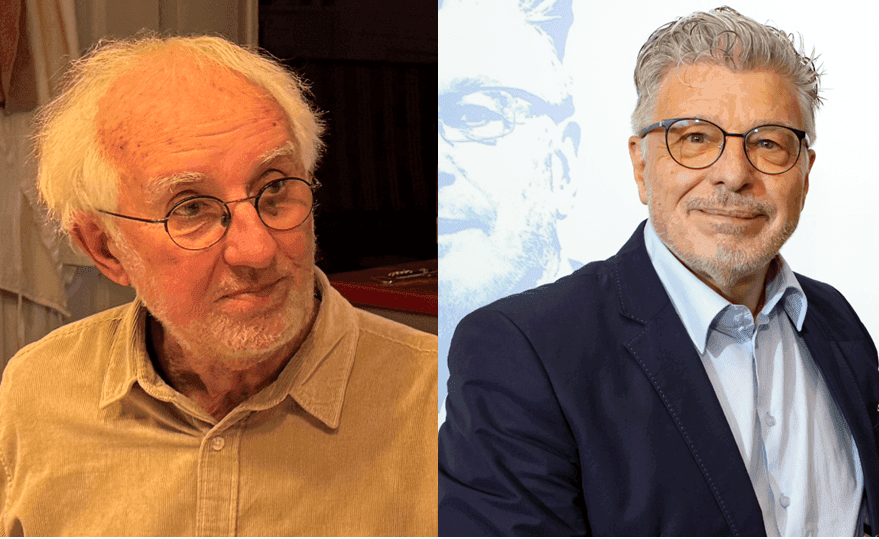
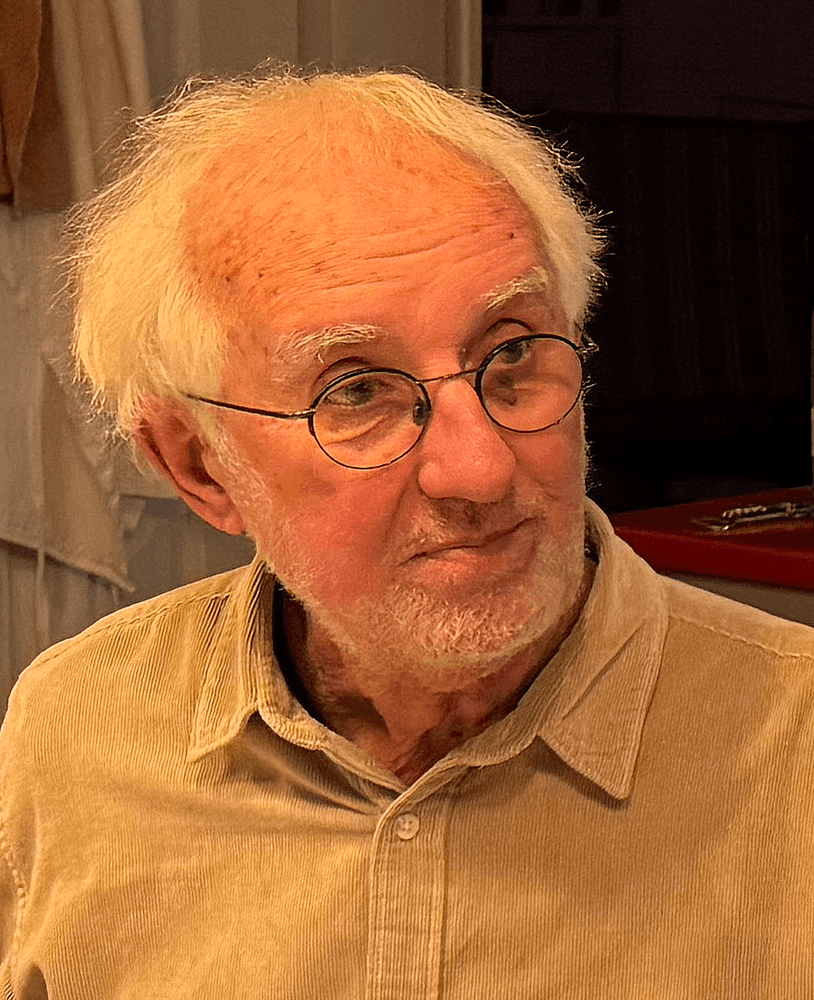
Dr. Konrad Grob is being honoured for his outstanding contributions to food analysis. He played a decisive role in the further development of capillary gas chromatography, thereby uncovering contaminants in food such as mineral oils, plasticisers and printing inks. He also exposed olive oil adulteration and conducted research into acrylamide formation in potato products. As a long-standing expert at EFSA, he has made a significant contribution to consumer protection in Europe.
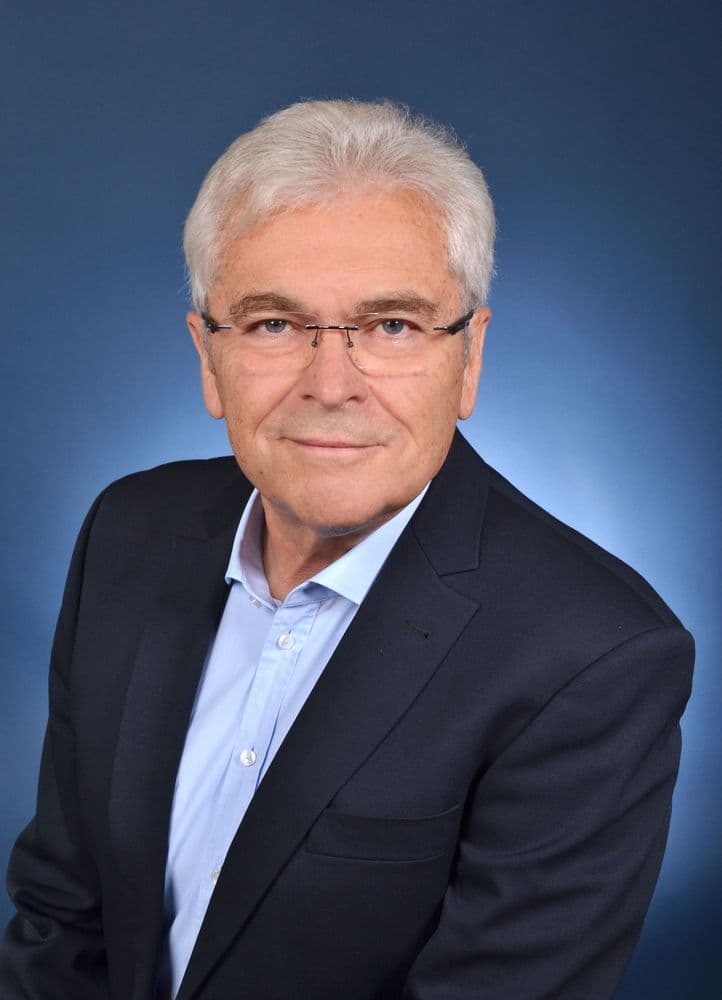
Professor Dr. Reinhard Matissek is being honoured for his pioneering work in food safety, which he carried out over four decades. From 1989 to 2019, he headed the Food Chemistry Institute of the German Confectionery Industry Association (LCI) in Cologne. During this time, he developed minimisation strategies for substances harmful to health, such as acrylamide and mineral oils in food. In addition, for 27 years he has supported early-career scientists, advised the German Federal Institute for Risk Assessment and shaped generations of students through his textbooks.
In memory of Geheimrat Professor Dr. Dr.-Ing. h.c. Dr. phil. nat. h.c. Dr. agr. h.c. Dr. med. h.c. Joseph König (1843–1930), the distinguished doyen of food chemistry, the Association of German Food Chemists established the
JOSEPH KÖNIG MEMORIAL MEDAL
in 1934.
The memorial medal is made of bronze and features on the obverse a relief of Joseph König, designed by Prof. August Henneberger, together with his name. The name of the recipient and the year of the award are engraved on the reverse.
The award of the “Joseph König Memorial Medal” is currently accompanied by a monetary prize of
€7,500.
Since 1951, the bronze memorial medal has been awarded by the GDCh Board to individuals who have rendered outstanding services to the scientific development of food chemistry and to its promotion and recognition.
Prof. Dr. Elke Richling, Technische Universität Kaiserslautern (lead responsibility)
Dr. Maike Arndt, Tecan-Group Ltd., Hamburg
Prof. Dr. Markus Fischer, Universität Hamburg
Prof. Dr. Marcus Glomb, Universität Halle-Wittenberg
Dr. Claudia Herles, Landesdirektion Dresden
Prof. Dr. Elke Richling, Technische Universität Kaiserslautern (Federführung)
Dr. Maike Arndt, Tecan-Group Ltd., Hamburg
Prof. Dr. Markus Fischer, Universität Hamburg
Prof. Dr. Marcus Glomb, Universität Halle-Wittenberg
Dr. Claudia Herles, Landesdirektion Dresden