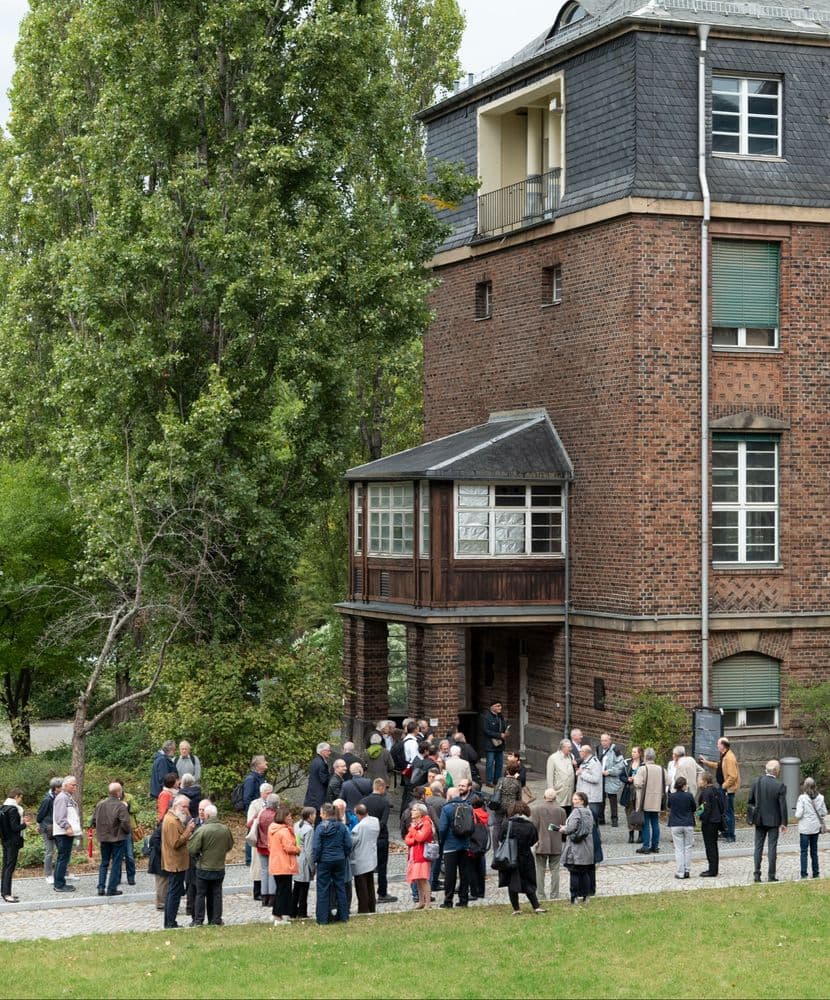
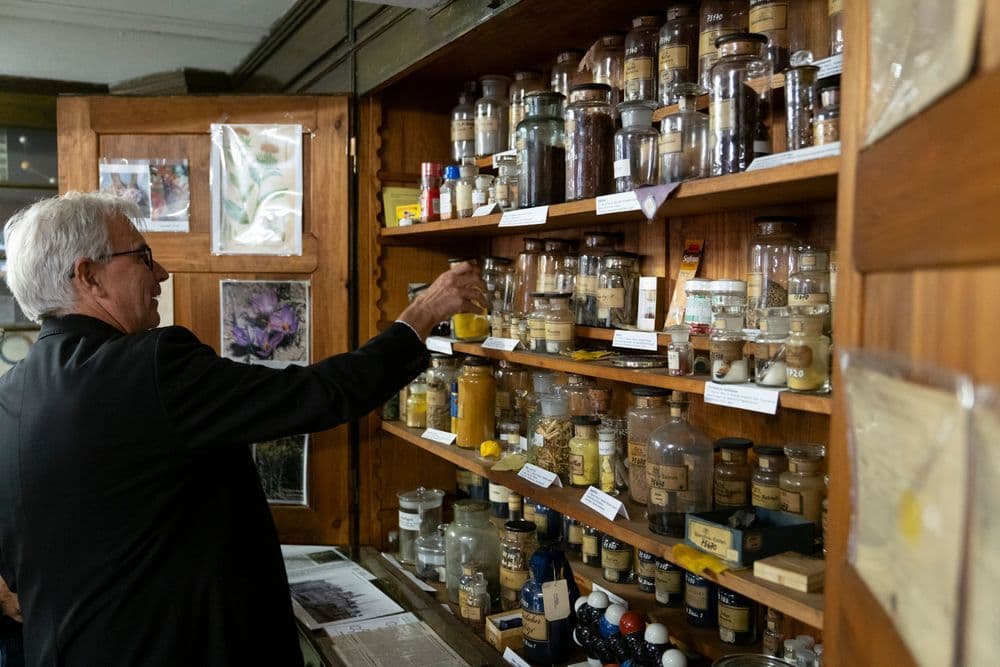
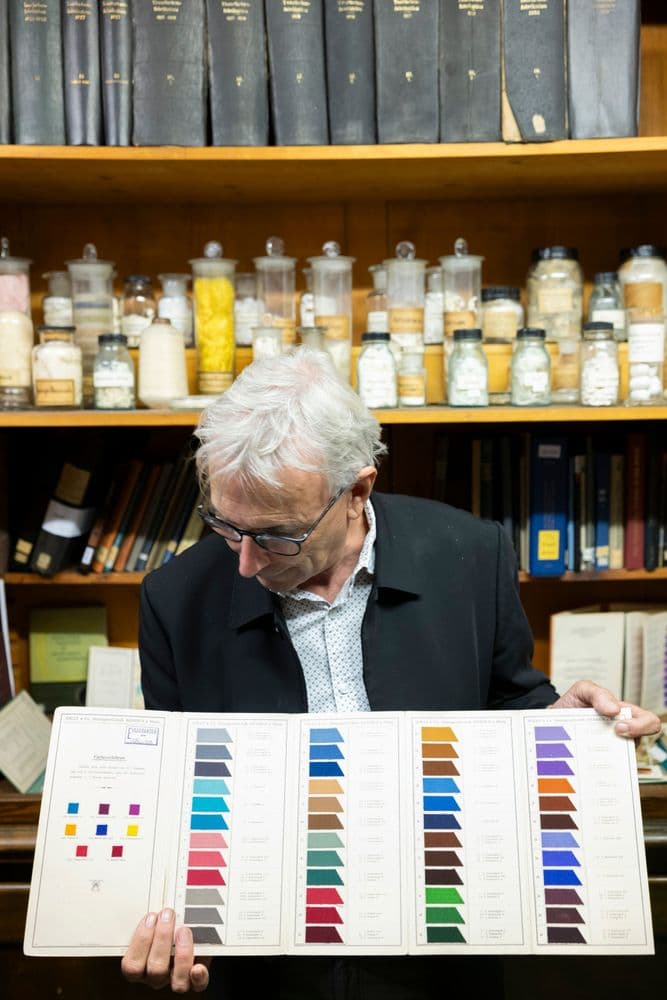
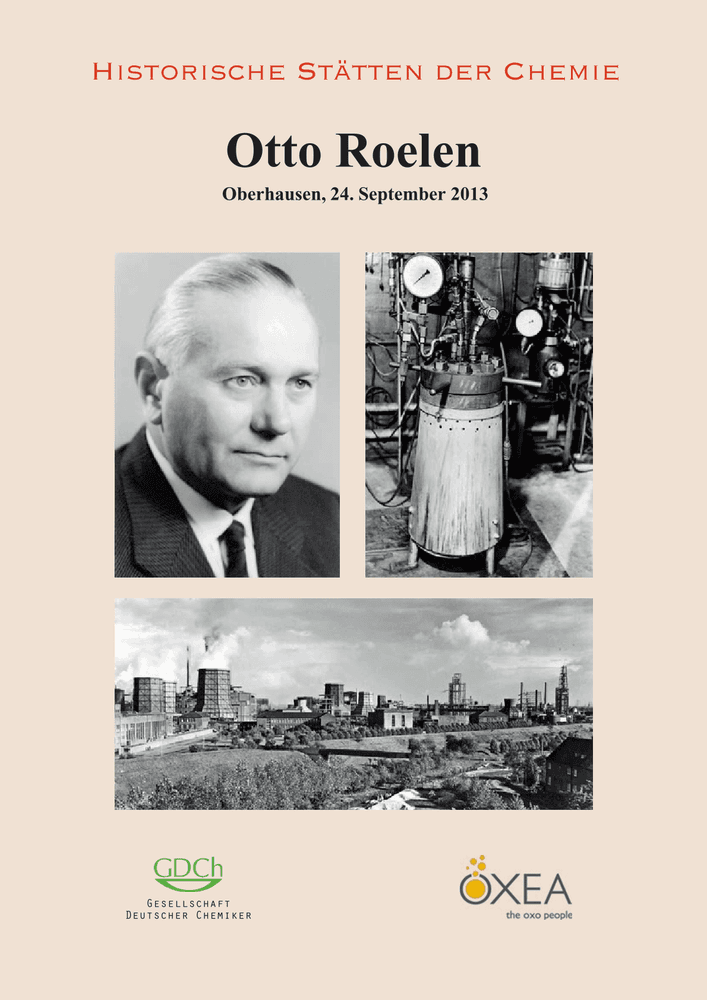
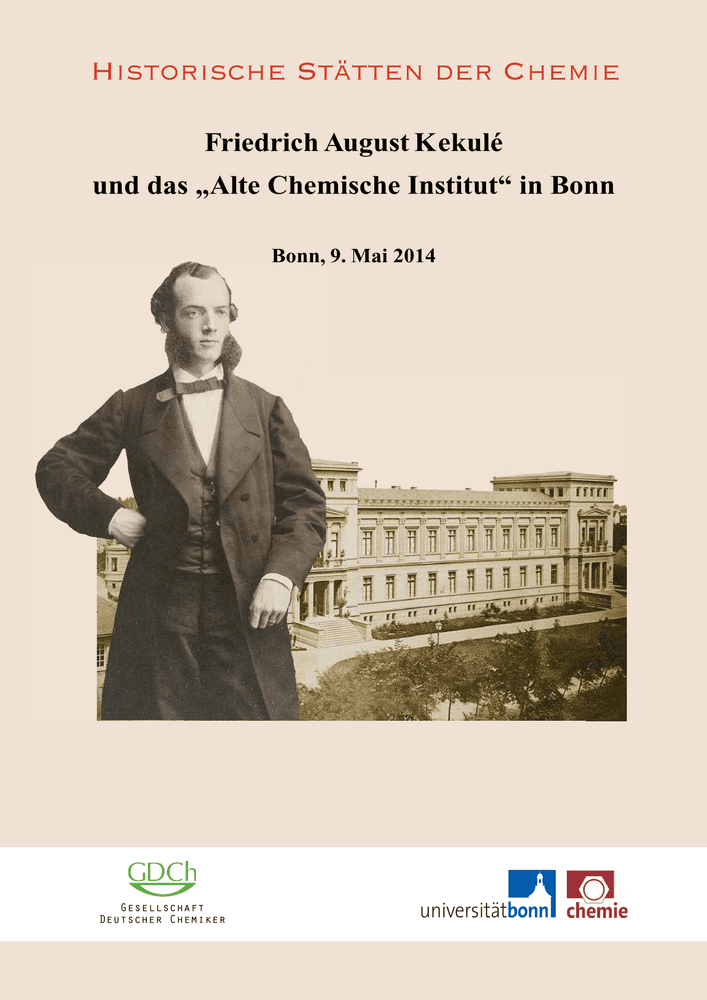
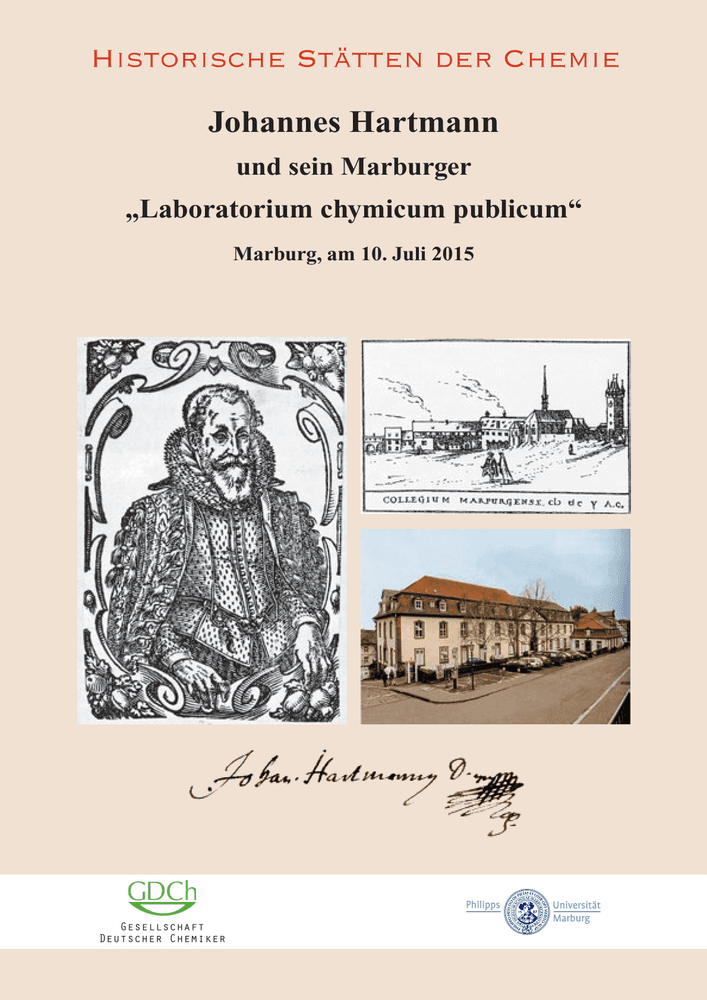
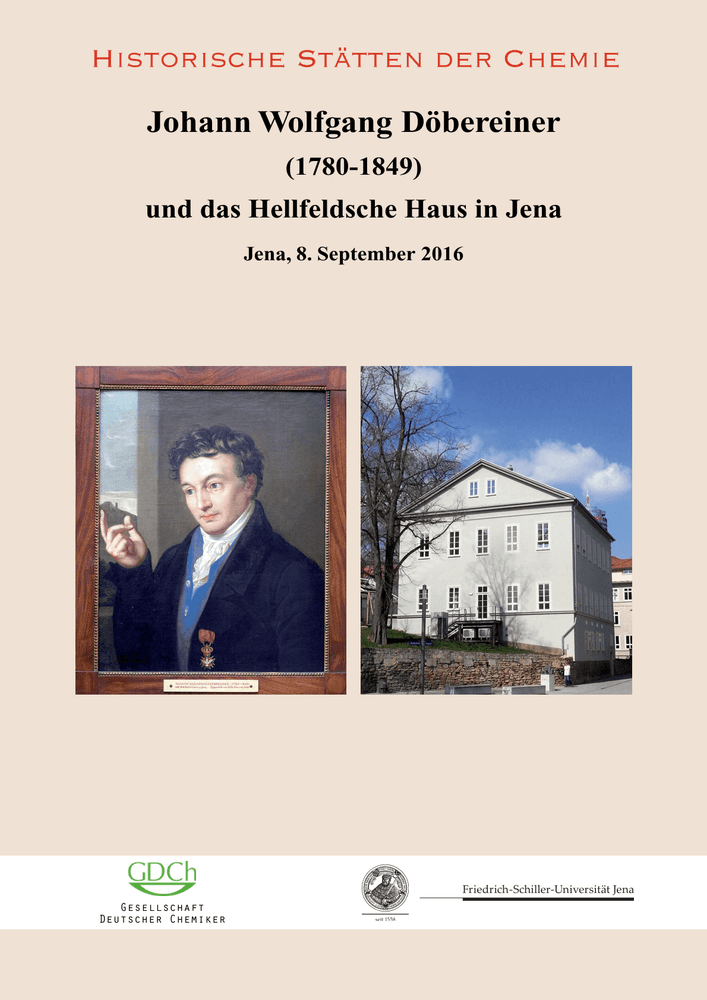
With the Chemical Laboratory Fresenius Wiesbaden, opened by Carl Remigius Fresenius in 1848, the GDCh designated the twelfth “Historic Site of Chemistry” in Wiesbaden on 18 July 2013, thereby honouring the beginnings of analytical chemistry.
When Carl Remigius Fresenius was born in Frankfurt am Main on 28 December 1818, Frankfurt was a free city. His grandfather was a pastor in Frankfurt and, notably, Goethe’s baptismal pastor; his father was a lawyer. With C.R. Fresenius, a cross-generational tradition of chemists began in the Fresenius family. Becoming chemists and taking the laboratory into the future: many family members of subsequent generations have taken on this task to this day.
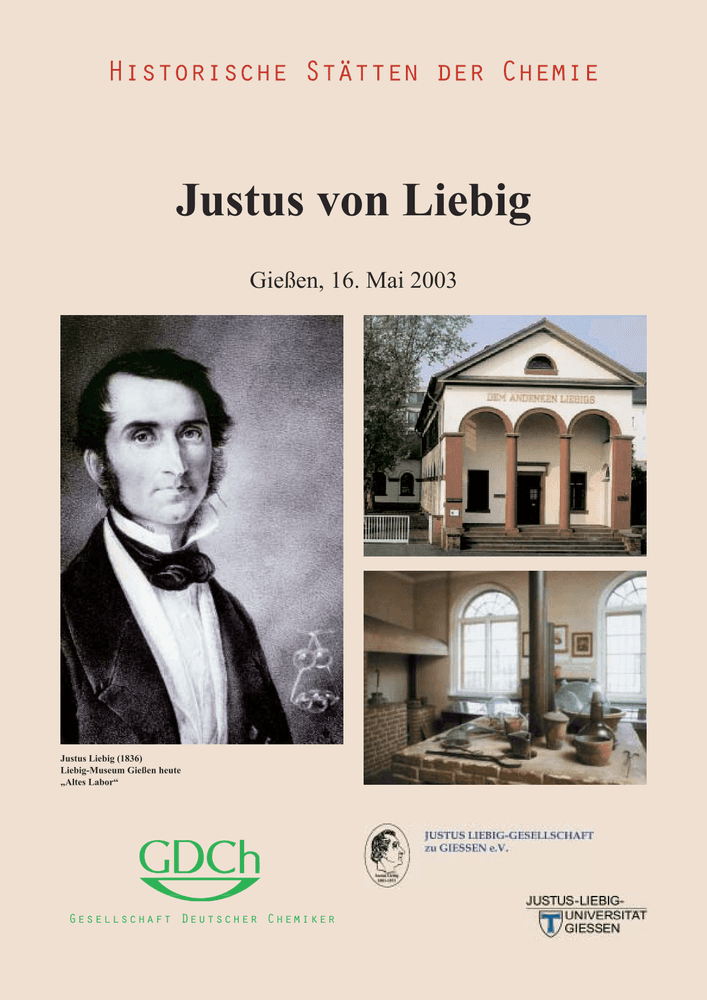
In his parents’ garden house, C.F. Fresenius conducted his first chemical experiments; he began an apprenticeship at the Stein pharmacy in Frankfurt and studied chemistry and natural sciences in Bonn in 1840. And he was already publishing. The first edition of his “Guide to Qualitative Analysis” appeared. In 1842, Fresenius was a state assistant at the university laboratory in Gießen, where he obtained his doctorate under—Justus Liebig! In 1844, at barely 26 years of age, he became a private lecturer in Gießen, and a year later, in 1845, he was appointed professor at the Ducal Nassau Agricultural Institute at Hof Geisberg near Wiesbaden. He married and moved to Wiesbaden. He and his wife Charlotte Rumpf had three sons and four daughters. Two of his sons, Theodor Wilhelm and Remigius Heinrich Fresenius, later continued his laboratory.
His great entrepreneurial idea was to establish his own modern chemical laboratory that would eliminate and fill the obstacles and gaps he had identified in the further development of the chemical sciences. The development of modern analytical chemistry took root in his laboratory—founded and shaped by C.R. Fresenius to this day. He acquired the building at Kapellenstraße 11 in Wiesbaden for his project at his own expense and was not deterred even by the turmoil of the March Revolution of 1848. With the approval of the Ducal Nassau Ministry, he opened his laboratory on 1 May 1848 with five students and one assistant. The institute grew; a few years later there were 38 students and three assistants. In 1863, he established the pharmaceutical teaching institute alongside it; in 1862, he founded the journal for analytical chemistry, which continues to this day under the name “Analytical and Bioanalytical Chemistry”. In 1876/77, he organised the systematic training of food chemists in his laboratory, and in 1884 a bacteriological department was opened. From 1895, preparation for the food chemist examination became possible at the Wiesbaden laboratory.
C.R. Fresenius, the chemist, teacher, publisher and entrepreneur, counted among his students many future founders of the emerging chemical industry. Here, too, he made a formative contribution.
His active life came to an end in 1897. He died, but his descendants ensured the continued development—through changing times to the present day.
Since 1961, the GDCh has awarded the Fresenius Award for outstanding achievements in the field of analytical chemistry, thereby commemorating C.R. Fresenius.