
GDCh Commission for Equal Opportunities in Chemistry

The commission guides the strategy for equal opportunities in chemistry in accordance with the GDCh’s guiding principles, to ensure that progress in this area is achieved within the GDCh and has an impact beyond it. In consultation with the GDCh Board, it develops specific objectives, monitors their implementation, initiates supportive activities and participates in projects.
Katrin Beuthert, Institute of Nanotechnology, KIT, Karlsruhe
Dr. Istemi Kuzu, University of Marburg
Prof. Dr. Sabine Becker, RPTU Kaiserslautern-Landau
Dr. Gesa Behnken, Evonik
Dr. Markus Haider, Wacker Chemie
Dr. Lisa Pecher, GDCh Office (in an honorary capacity here)
Dr. Kathrin Wolter, BASF
Charlotte Gerischer, Munich
Tom Götze-Ebert, Leipzig
The commission has up to ten members, whose composition reflects the diversity of the GDCh. The JCF (JungesChemieForum) has the right to nominate one member. Wherever possible, at least one member should be a member of the GDCh Board. The members of the “Equal Opportunities in Chemistry” Commission are appointed by the GDCh Board. The term of office is four years, and two years for the Chair and Deputy Chair. Since 06/2021, a JCF representative has also been invited to the meetings with guest status.
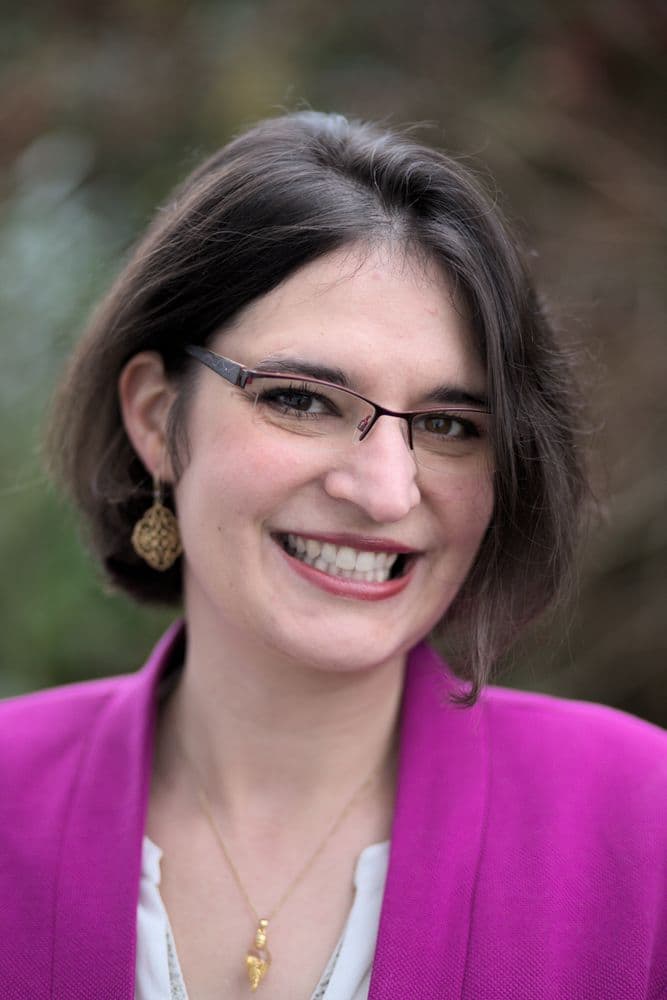
Prof. Dr. Sabine Becker studied at Justus Liebig University Gießen from 2005 to 2010, where she obtained a Bachelor of Science degree in 2008 and a Master of Science degree in Chemistry in 2010. She subsequently completed her doctorate in Inorganic Chemistry, specialising in multinuclear copper complexes and clusters, in the working group of Prof. Dr. Siegfried Schindler. In 2011, she received a doctoral scholarship from the German Chemical Industry Fund (VCI) and completed her doctorate summa cum laude in 2014. After a postdoctoral position of approximately one year in the same working group, Sabine Becker joined the working group of Prof. Stephen J. Lippard, PhD, at MIT (USA) for a postdoctoral stay, where she researched, among other topics, the modulation of neurological processes by zinc ions. Her time abroad was funded by a postdoctoral fellowship from the Leopoldina – National Academy of Sciences. In May 2017, Sabine Becker took up a junior professorship in “Chemistry of Multinuclear Complexes” at TU Kaiserslautern. From April 2022 to July 2022, she held a visiting professorship in Bioinorganic Chemistry at the University of Vienna. Since October 2023, she has been a university professor (W2) at RPTU Kaiserslautern-Landau. Her research focuses on cooperative effects in multinuclear copper and iron complexes and their catalytic applications, as well as on the investigation of metal ions in the central nervous system, with a focus on zinc.
Sabine Becker is involved in numerous committees of academic self-governance, where she also actively advocates for equality and equal opportunities. In 2020, for example, she received the “Young Scientist Award for Equality and Gender Activities” from TU Kaiserslautern. In addition, she volunteers for various funding organisations and societies, including, since 2024, as Deputy President of the GDCh and a member of the GDCh Executive Board. As science communication is important to her, she also regularly participates in outreach activities such as popular science lectures, experimental demonstrations, children's university programmes, workshops for school classes and STEM fairs.
“Equal opportunities mean to me that everyone is given the chance to realise their full potential. Often, the barriers are invisible to the majority and only become apparent when people from diverse backgrounds have a seat at the table and are heard. Diversity is particularly important in chemistry, because complex challenges are best solved through different perspectives, expertise and creative approaches. Innovation emerges when different ‘building blocks’ come together – just as in a reaction, where the interplay of different components is what makes new products possible.”
Since 2025, Dr. Gesa Behnken has headed Evonik’s Product Line Specialty Isocyanates & Amines as Vice President. She studied chemistry at the University of Hamburg, where she also completed her doctorate on biodegradable polymers. She spent 13 years at Bayer and Covestro in various roles spanning innovation, application technology development, strategy and Key Account Management. Four years ago, she moved to Evonik as Global Director for the Marketing and Product Management of rigid foam additives. Since January 2025, she has been Vice President of the Product Line Vestanat & Derivatives, making her globally responsible for Evonik’s isocyanate and isocyanate derivatives portfolio, and since November 2025, she has also been Product Line Head Specialty Isocyanates & Amines, with responsibility for Evonik’s amine curing agents portfolio.
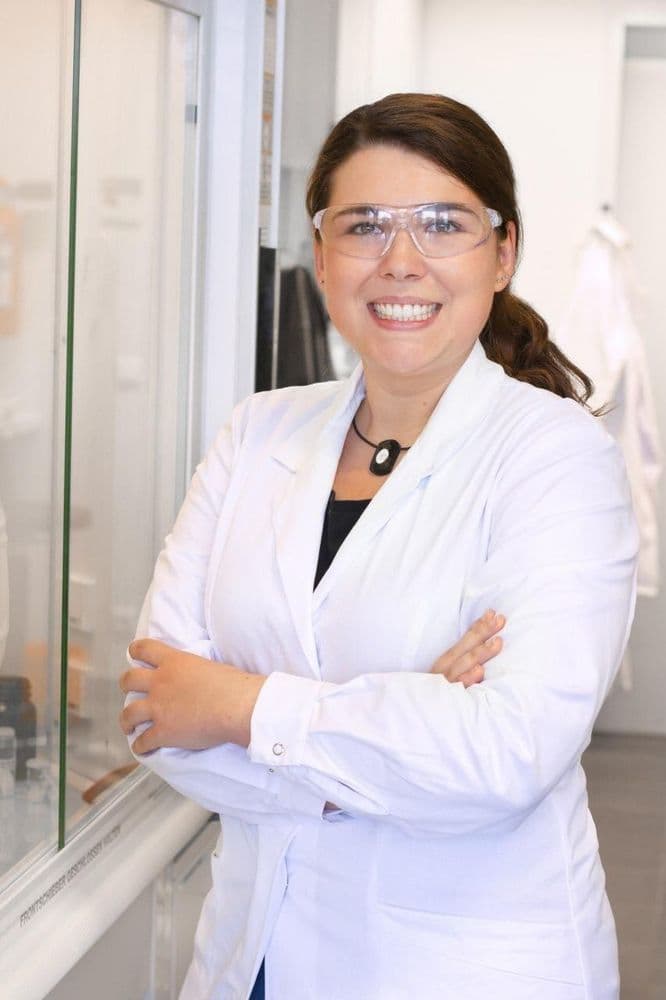
Katrin Beuthert has been pursuing her PhD in inorganic chemistry since 2021 in the working group led by Prof. Dr. Stefanie Dehnen, initially at Philipps-Universität Marburg and, since 2022, at the Institute of Nanotechnology at Karlsruhe Institute of Technology. In addition, from 2019 to 2022 she was coordinator of the “MINT Summer School for Girls” project at Philipps-Universität and the women’s and equal opportunities officer in the Department of Chemistry.
She became a GDCh member at the beginning of her bachelor’s degree in 2014 and is involved in JCF Marburg, where she served as spokesperson from 2018 to 2022. Since 2021, Katrin Beuthert has been Team Lead of the JCF Equal Opportunities Team.
Since the beginning of 2022, Katrin Beuthert has represented young chemists on the GDCh Commission for Equal Opportunities in Chemistry and has been Chair of the Young Wöhler Association for Inorganic Chemistry. “By promoting greater equality of opportunity for school pupils in STEM education, inclusion, diversity and targeted science communication, we can actively help shape a more diverse and open scientific community and inspire people to take an interest in chemistry.”
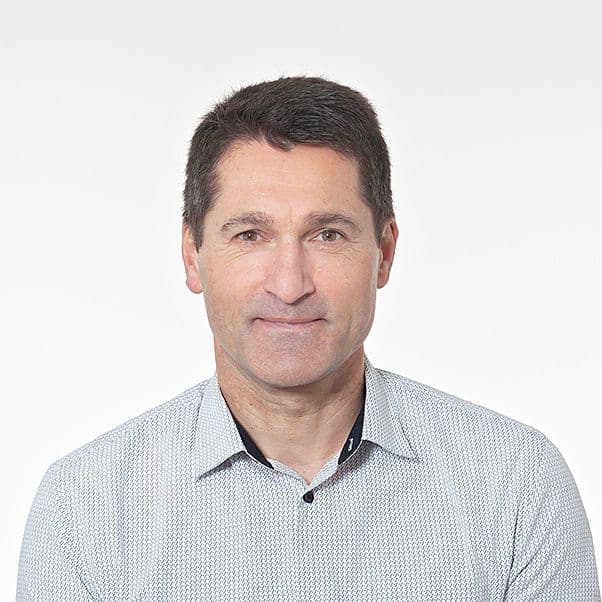
Markus Haider studied General Chemistry at LMU in Munich. He completed his diploma thesis in Analytical Chemistry at TUM under Reinhold Nießner. For his dissertation and doctorate in Analytical Chemistry, he moved to PLUS (Paris Lodron University of Salzburg), where he worked under Hans Malissa. As a Feodor Lynen Fellow of the Alexander von Humboldt Foundation, he then spent almost two years as a postdoctoral researcher at MIT with Mario Molina in the field of stratospheric chemistry, before joining Wacker Chemie in Burghausen in 1999 as Head of the Optical Molecular Spectroscopy Laboratory.
Since then, his professional positions at WACKER have included strategy, plant management, project management, production management, Global Supply Chain Management, as well as Corporate Services and Sustainability across two central functions and two business divisions. Markus Haider currently heads the Chemical Services department, whose core functions are Corporate Analytics and Corporate Chemical Safety. He is also personally responsible for Corporate Analytics.
Since 2014, he has been a member of the Executive Staff Committee, representing senior executives. Since 2020, he has been Chair of the Central Executive Staff Committee of Wacker Chemie.
As a long-standing GDCh member, he has been involved as a mentor in CheMento from the outset. He has also served as a mentor five times so far in a similar internal WACKER programme.
Diversity, Equity & Inclusion has been a concern of his for many years. He is particularly passionate about gender equality. On the one hand, this is due to the fairness owed to committed, capable women; on the other, it reflects the simple economic assessment that the considerable specialist and management potential of women should not be wasted, not least against the backdrop of Germany’s rapidly worsening shortage of skilled workers.
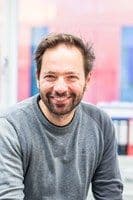
"For me personally, it is about highlighting the injustice that is unfortunately still present in large parts of our society – including in research and teaching. Here, I want to dismantle prejudices, barriers and obstacles, and put visibility and empowerment centre stage."
Dr. Istemi Kuzu has been working as a senior academic councillor in the working group of Prof. C. Lichtenberg at the University of Marburg since October 2022.
After training as a chemical laboratory technician at Dräger ST GmbH Lübeck (1996–1999) and subsequently working for one year, he studied chemistry at Philipps University Marburg. During his studies, he spent a semester abroad at the University of Cambridge, UK. In 2005, he completed his studies with a diploma thesis on "Organothallium fluorides".
In 2009, Dr. Kuzu completed his doctorate at the University of Karlsruhe (TH) with a dissertation on "Organometallic chemistry and coordination chemistry of anionic tris(pyrazolyl)methanides". After a short postdoctoral stay, he returned to the University of Marburg, where he initially worked as an academic councillor and later as a senior academic councillor in the working group of Prof. S. Dehnen.
Since October 2020, he has also served as the department's safety officer and, since November 2022, as its sustainability officer.
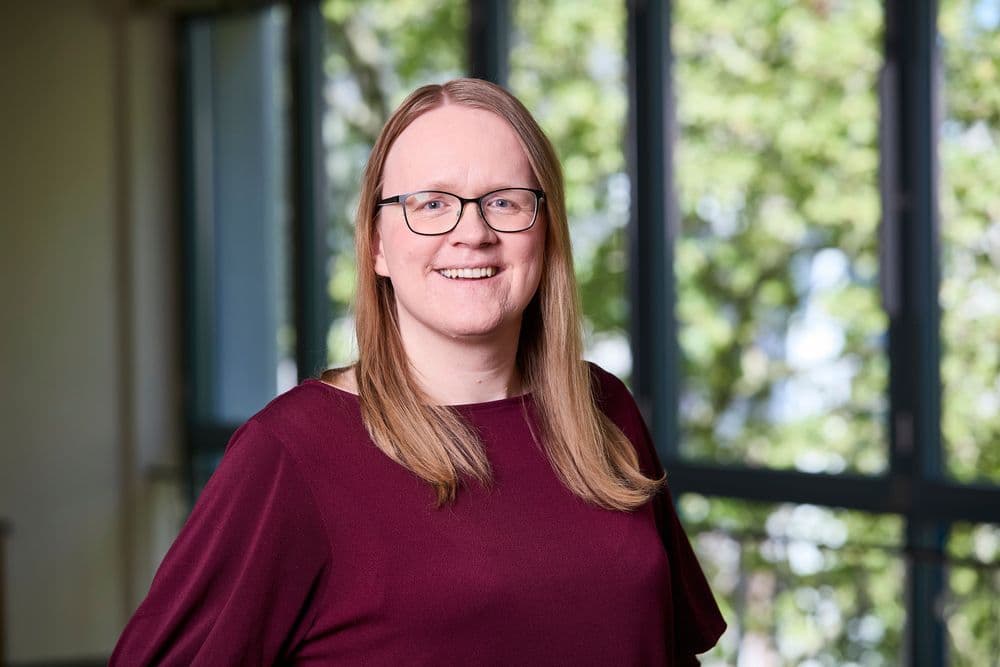
“There are numerous facets of diversity, inclusion and equity. We should all become aware of our privileges and support marginalised people in order to make the chemistry community a welcoming and open community for everyone.”
Dr. Lisa Pecher has been Coordinator for GDCh structures at the German Chemical Society (GDCh) since April 2025.
After studying chemistry at the Georg August University of Göttingen, she completed her doctorate in theoretical chemistry at Philipps University Marburg under Prof. Ralf Tonner-Zech from 2013 to 2017.
After a brief period as a postdoc at Philipps University Marburg under Prof. Gernot Frenking, Dr. Pecher was an editor at Wiley-VCH from 2019 to 2025 for various journals, including Angewandte Chemie, Advanced Functional Materials and Chemistry – A European Journal. From 2020 onwards, she led the DE&I working group of Wiley-VCH’s chemistry journals and organised numerous events, including five “IUPAC Global Women’s Breakfast” networking events and several workshops in collaboration with the German Chemical Society.
Alongside her main occupation, Dr. Pecher is involved in giving talks on diversity, inclusion and equity, as well as voluntarily organising concerts.
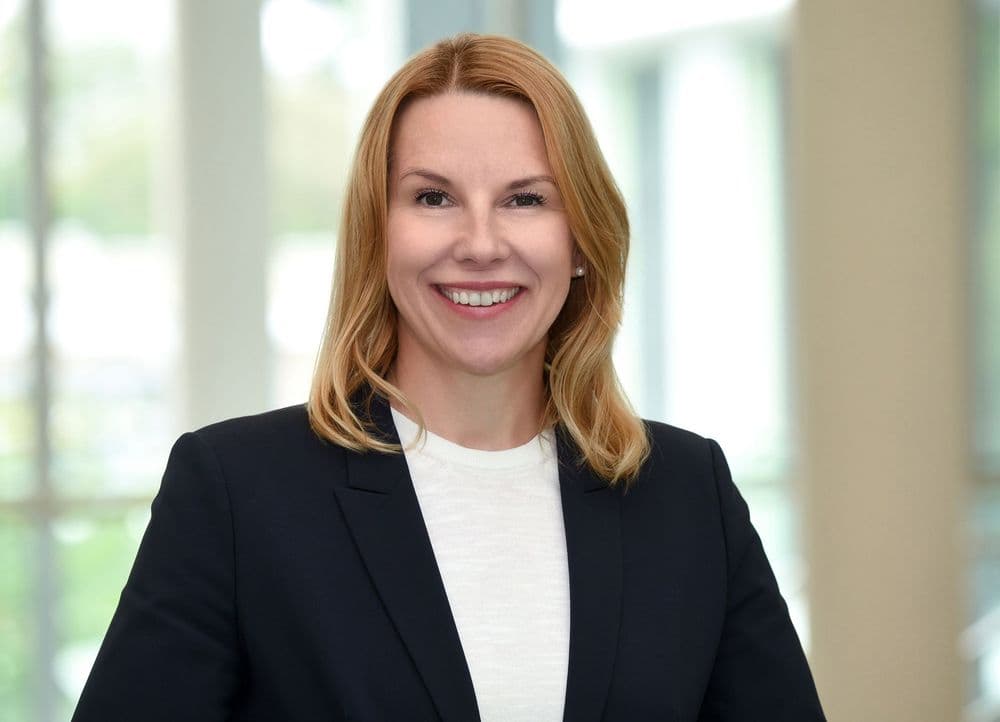
"Diversity is not an end in itself – it is the basis for creative solutions and scientific excellence. My commitment to equal opportunities in chemistry is driven by the conviction that only an inclusive environment can do justice to all talent and enable sustainable innovation."
Since 2023, Dr. Kathrin Wolter has been Vice President of Analytical Science at BASF SE.
After studying chemistry at the University of Tübingen, she completed her doctorate in chemistry at Technische Universität Berlin in 2007. She began her professional career in 2008 as a Research Manager in R&D CAS Natural Products at Sanofi-Aventis Deutschland GmbH.
In 2009, she moved to BASF SE, where she initially worked as a Research Manager and later as a Project Manager in the crop protection division. From 2012 onwards, she increasingly took on leadership roles: first as Senior Manager Physical & Chemical Values, and later in the areas of Bioanalytics & Physical Characterization and Bioanalytics & Chemometrics.
In 2021–2022, Dr. Wolter worked as Senior Project Manager and Senior Manager for Strategic Innovation Steering in the Health & Nutrition division, before assuming her current position as Vice President of Analytical Science in 2023.
Her career is characterised by continuous development and increasing leadership responsibility in various scientific fields.
GDCh Office
Dr. Jasmin Herr
Tel.: +49 69 7917-323
E-mail: j.herr@gdch.de