School and University

    Students and Apprentices

    Undergraduate and PhD Students

    Teachers

    Higher Education Statistics

    Scholarships

Career

    Career Guidance

    Job Vacancies

    Salary Information and Income Survey

    Academy

    Mentoring

Community

    Divisions

    Young Chemists’ Forum (JCF)

    Local Sections

    Regulars' Get-Togethers

    Chem_Connect

    Equal Opportunities and Diversity

    Partnerships and International Activities

    Volunteering

    Membership

Discover Chemistry

    Top Topics

    “Nachrichten aus der Chemie” – Members’ Magazine

    Scientific Journals

    Statements and Position Papers

    Press Releases

    Brochures and Academic Publications

    Books, Videos and Podcasts

    The Fascination of Chemistry

    Cartoons

    Biographies of Female Chemists

Events

    Conferences

    Academy

    Lectures

    Further Events

Awards

    Prices

    Historical Sites of Chemistry

About Us

    Board and Other Bodies

    The Office

    Statutes and Code of Conduct

    Charities

    Press and Public Relations

    Sustainability

MyGDCh

GDCh

Chemistry for a better world

© 2026 Gesellschaft Deutscher Chemiker. All rights reserved.

NewsletterDownloadsPressContactGDCh Shop
Legal NoticeData PrivacyTerms & Conditions
Homepage/Community/Cooperation and international activities/IUPAC/German Central Committee for Chem...
Cooperation and international activities

IUPAC/German Central Committee for Chemistry

IUPAC/German Central Committee for Chemistry

IUPAC/German Central Committee for Chemistry

In order to represent the chemical interests of the Federal Republic of Germany within the IUPAC (International Union of Pure and Angewandte Chemie), the ‘Federal Committee of German Chemistry’ – now known as the ‘German Central Committee for Chemistry’ (DZfCh) – was founded in Göttingen in 1952 at the suggestion of the GDCh.

The DZfCh is therefore the German member organisation (the so-called National Adhering Organisation, NAO) of the IUPAC; in other words, all matters relating to the IUPAC are handled by the DZfCh. The DZfCh is administered by the GDCh Office. The following organisations are currently members:

DECHEMA e.V.
German Bunsen Society for physical chemistry e.V.
German Rubber Society e.V.
German Scientific Society for Sustainable Energy Sources, Mobility and Carbon Cycles e.V.
German Chemical Society e.V.
Colloid Society e.V.
German Chemical Industry Association e.V.

The Chair of the DZfCh is Prof. Dr. Dr. h.c. mult. Evamarie Hey-Hawkins, University of Leipzig. Since 1 January 2021, the Executive Director has been Dr Hans-Georg Weinig, GDCh.
From 2002 until the end of 2020, GDCh Executive Director Prof. Dr Wolfram Koch was also Executive Director of the DZfCh. From 2008 to 2015, he was a member of the IUPAC Finance Committee. He served as IUPAC Treasurer for the term from 2022 to 2025.

Individual membership of IUPAC

Through the Affiliate Membership Programme, chemists can become individual members and thus work more closely with IUPAC.

Benefits:
• free electronic journal Chemistry International
• 25% discount on IUPAC books
• 10% discount on IUPAC symposia and congresses

The annual membership fee for GDCh members is €26. Membership may be cancelled at the end of the year, provided notice is received by the GDCh by 30 September.

If you are interested, please contact the GDCh Office, Dr Hans-Georg Weinig, h.weinig@gdch.de

IYC 2011
The 63rd General Assembly of the UN declared 2011 the International Year of Chemistry. UNESCO and the IUPAC (International Union of Pure and Applied Chemistry) – the international scientific umbrella organisation for chemistry – were tasked with coordinating the International Year of Chemistry. As part of the UN Decade of Education for Sustainable Development 2005 – 2014, the ‘International Year of Chemistry’ was intended to deepen public understanding of the fundamental importance of chemistry, particularly with regard to the role it plays in the development of alternative energy sources, in ensuring food security for an ever-growing world population, and in addressing other global challenges. The year 2011 also marked the 100th anniversary of the awarding of the Nobel Prize in Chemistry to Marie Sklodowska-Curie – an opportunity to highlight women’s contributions to the development of chemistry. 2011 also marked the 100th anniversary of the founding of the IACS (International Association of Chemical Societies), the predecessor organisation of today’s IUPAC. IUPAC, like the IACS before it, was founded to facilitate international scientific exchange and collaboration amongst chemists by developing a standardised nomenclature and terminology. The German Chemical Society supported the International Year of Chemistry and was able to draw on the experience gained in 2003, the German ‘Year of Chemistry’.
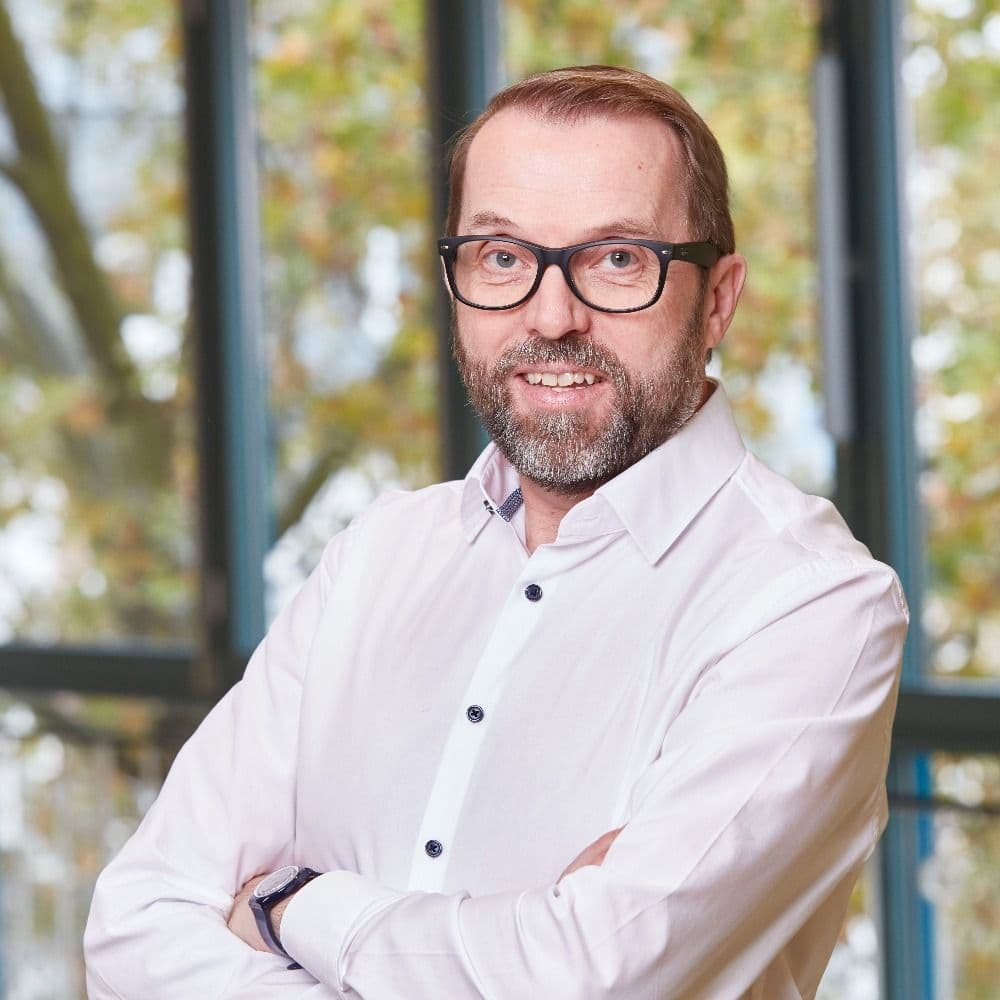
Hans-Georg Weinig
Hans-Georg Weinig

Dr. Hans-Georg Weinig

h.weinig@gdch.de
+49697917482

World of the Elements:

IUPAC-authorised
Periodic Table

Provisional Recommendations

The nomenclature recommendations
of the IUPAC

Reminders and Deadlines

Information about IUPAC Awards

IUPAC Periodicals

Pure and Applied Chemistry is the official monthly journal Chemistry International is the news magazine of IUPAC