
George de Hevesy Lecture
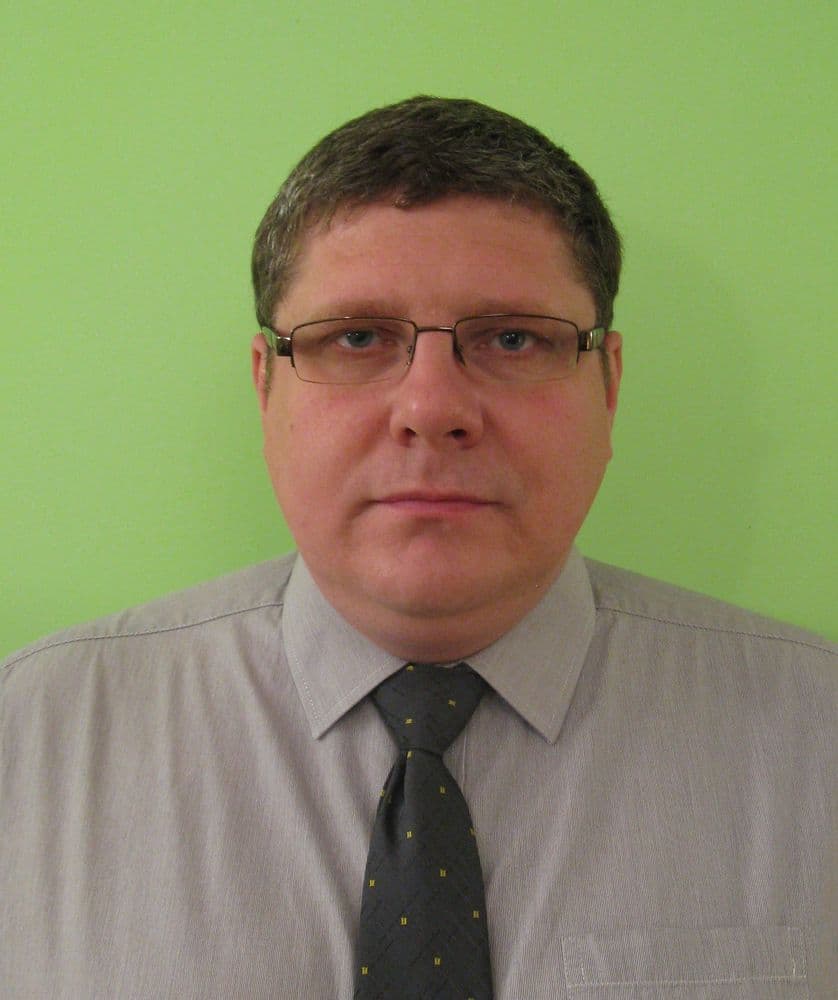
Dr. Gyula Tircsó conducts research into contrast agents. His research focuses both on improving the physicochemical properties of such contrast agents and, increasingly in recent years, on replacing toxic Gd complexes with contrast agents based mainly on manganese(II) complexes, which are less harmful to living organisms but have the same (or even better) parameters.
The first George de Hevesy Lectures were held in 2008, both in Hungary and in Germany. The lecture series was established in 2007 by the Magyar Kémikusok Egyesülete (Hungarian Chemical Society) and the German Chemical Society, and has since been held alternately in the two countries.
The lecture’s namesake, George de Hevesy, was a Hungarian chemist who also conducted research and taught in Germany. In 1943, de Hevesy was awarded the Nobel Prize in Chemistry for developing the method of radioactive indicators. He discovered hafnium and is considered the father of nuclear medicine, making him an important scientist to this day.