
Sustainability Commission
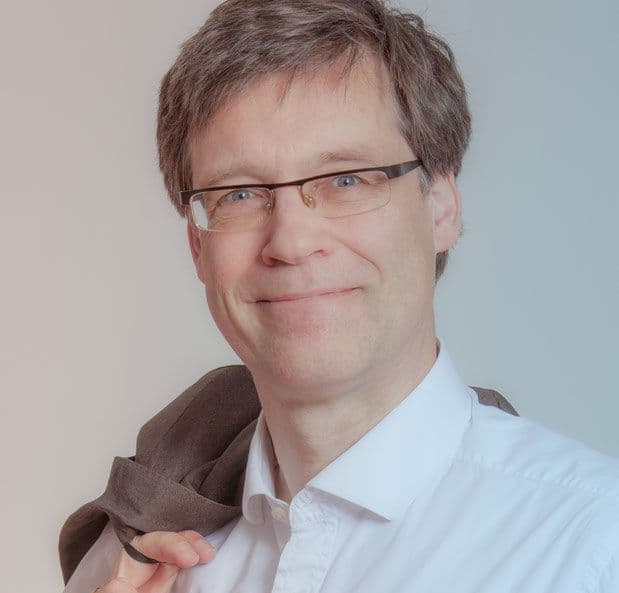
Rolf Albach, Chair of the GDCh Division Association for Chemistry and Economics (VCW), is a member of our Sustainability Commission. For him, sustainability means preserving future generations’ freedom to lead a good life within natural limits – with their own ideas of what constitutes this good life.
He considers the GDCh’s sustainability strategy indispensable, because chemistry enables 10 billion people to lead a good life, but also has side effects. This makes research and teaching in global cooperation all the more important. Chemistry and sustainability seem contradictory to many people – Rolf Albach agrees, but stresses pragmatically: there is no reset button to the 17th century. This contradiction must be resolved through research and teaching.
He explains his commitment to the Commission with modesty and determination: someone has to do it. With his qualifications in science, business and politics, combined with his enjoyment of the task, he wants to make his contribution.

For Anna Emmerich, a PhD student at the Max Planck Institute for Chemical Energy Conversion and a member of the JCF Sustainability team, sustainability above all means thinking ahead. It is important to consider not only the direct manufacture of products, but the entire product life cycle, including its ecological and social consequences. Sustainability should be a guiding principle that is always taken into account – not an optional positive side effect.
A sustainability strategy is important for the GDCh because there are already many good approaches and projects aimed at achieving greater sustainability. A joint strategy can bring these together in order to achieve even more collectively. The GDCh has the opportunity to be a pioneer and, as a role model for industry and academia, provide companies and faculties with guidance for their own sustainability strategies.
Chemistry and sustainability seem contradictory to many people. Anna Emmerich wants to help change this. Although the sector requires more complex solutions than other fields, chemists have a wider range of opportunities to tackle the problem. In addition, sustainable solutions can also be provided for other sectors – chemistry can be a driving force for greater sustainability.
She is involved in the GDCh Sustainability Commission because it is important to her that students and doctoral researchers are also represented. This can facilitate exchange between generations within the GDCh. Her personal wish is for all chemistry students to become familiar with what sustainable chemistry means during their studies. She also wants to contribute to this as part of the JCF’s Sustainability team. The commission’s work provides her with new input, while at the same time she can bring feedback from students and doctoral researchers back to the commission.
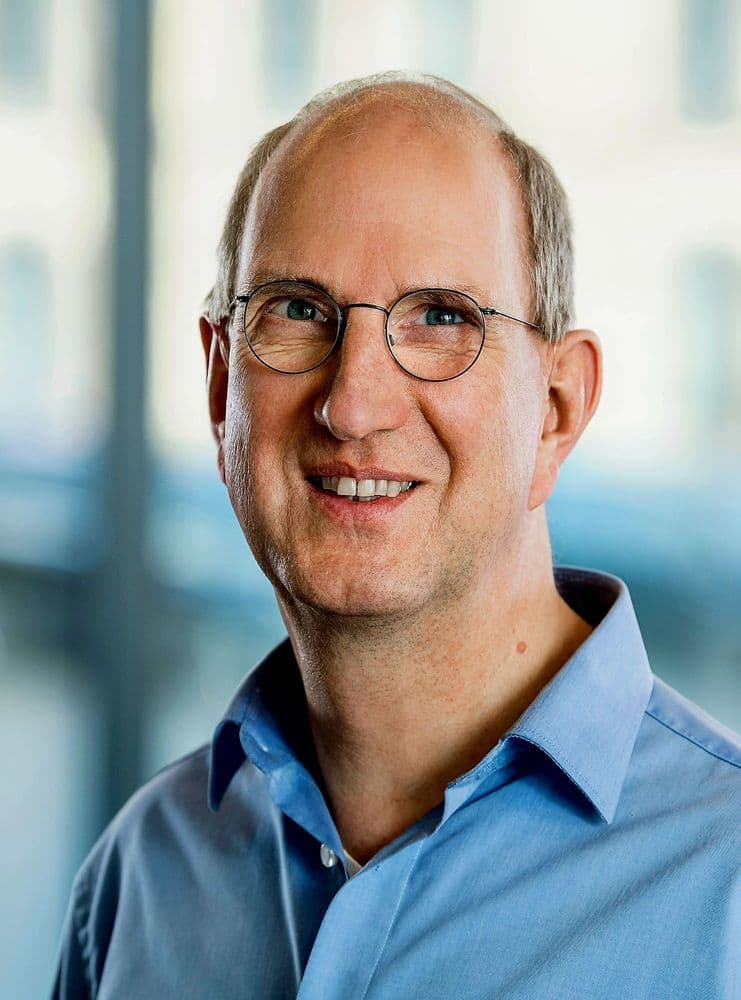
Markus Große Ophoff is actively involved in various voluntary roles in the areas of PFAS, environmental chemicals and trace substances. In his job at the German Federal Environmental Foundation and in his work at Osnabrück University of Applied Sciences, he deals with sustainability communication and environmentally friendly events from both a scientific and practical perspective.
It is particularly important to him to shape the future positively and focus on the opportunities offered by transformation and sustainable business models. He values the exchange between different scientific disciplines and all GDCh Divisions.
Climate change, biodiversity and environmental chemicals present us with major global challenges. This is an opportunity for innovation by the many well-trained chemists in Germany. Rethinking Chemistry, the GDCh’s motto, should be the guiding principle for this. Sustainable innovation can make it possible to act within planetary boundaries.
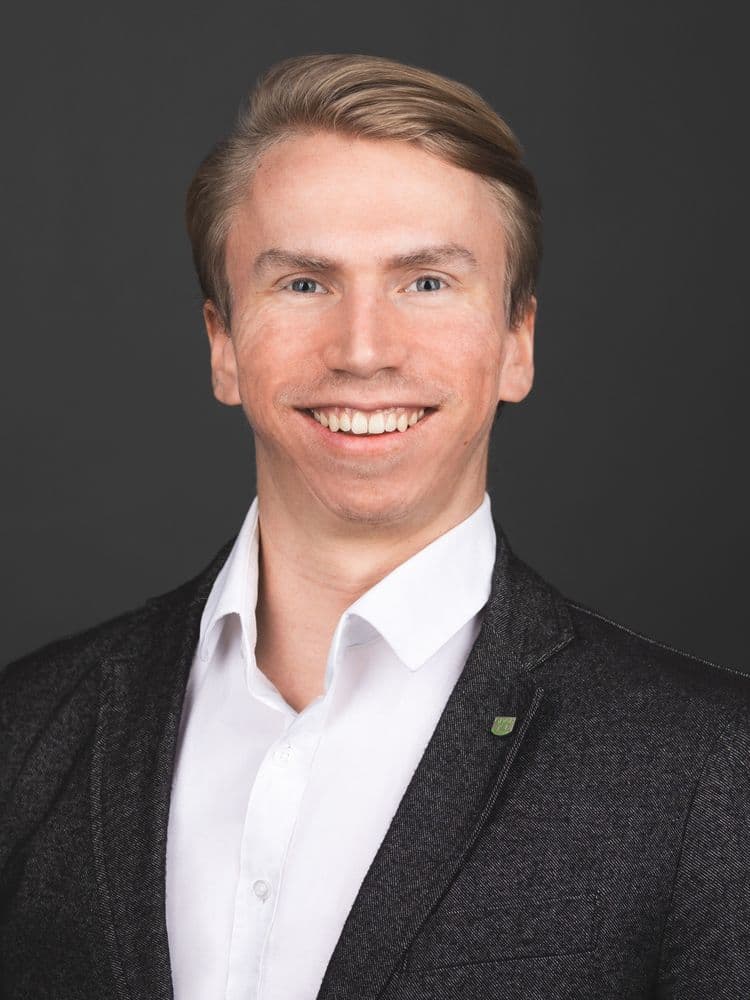
Kevin Keller, IYCN Executive Board member and doctoral researcher in bioinorganic chemistry at Justus Liebig University Gießen, is involved in our Sustainability Commission with a clear vision: he wants to ensure that future generations can still enjoy our planet. He has very specific images in mind – forests, green meadows and a brilliant blue sky, which remind him every day why treating our Earth responsibly is so important.
As a young scientist, Kevin knows that his generation will feel the consequences of today’s environmental impacts most acutely. That is precisely why he wants to take responsibility now and work on solutions – not only for Germany, but worldwide. He believes that GDCh has a particular duty in this regard: as a scientific society, we must show how we can address the pressing challenges of our time. A well-considered sustainability strategy provides the necessary guidance and creates a common thread that embeds sustainability in research, teaching and everyday life.
Chemistry and sustainability may seem contradictory to many people. Kevin sees things differently: although unavoidable waste is sometimes generated in research, these short-term impacts are necessary investments in a sustainable future. Only through targeted experiments today can we develop the green technologies of tomorrow that will benefit our society in the long term.
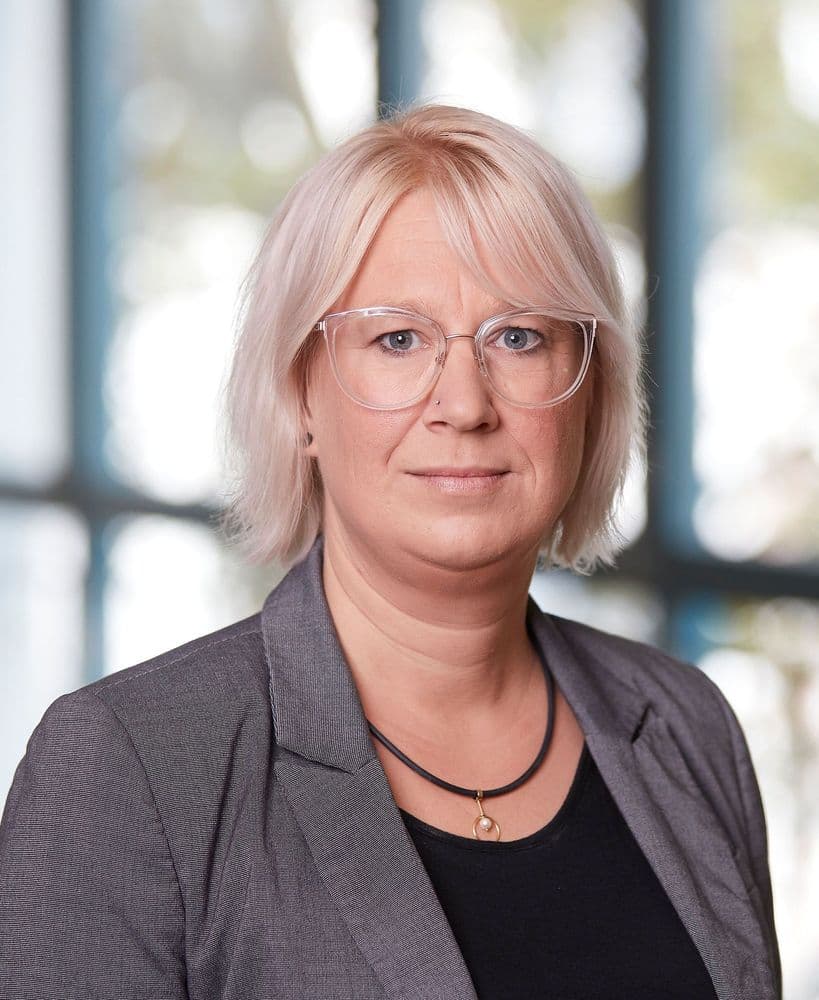
Maren Mielck works in GDCh public relations and deals with making complex topics understandable every day – including sustainability.
For her, sustainable action begins in everyday life: consuming more consciously, saving resources, travelling as climate-friendly as possible and making decisions that will stand the test of time. At GDCh, she sees sustainability as a cross-cutting task that must be taken into account in events, publications and internal organisation – from travel planning and the use of materials to the question of how we make research and good practice visible.
Chemistry and sustainability may seem contradictory to many people, but Maren Mielck emphasises that chemistry can enable solutions: more efficient processes, alternative raw materials, improved circular systems and products that save energy or make recycling easier.
She draws motivation from the impact of good communication: when knowledge becomes accessible, it creates momentum – in laboratories, companies, education and politics. Her aim is to promote constructive debate and show how much potential for the future chemistry holds.
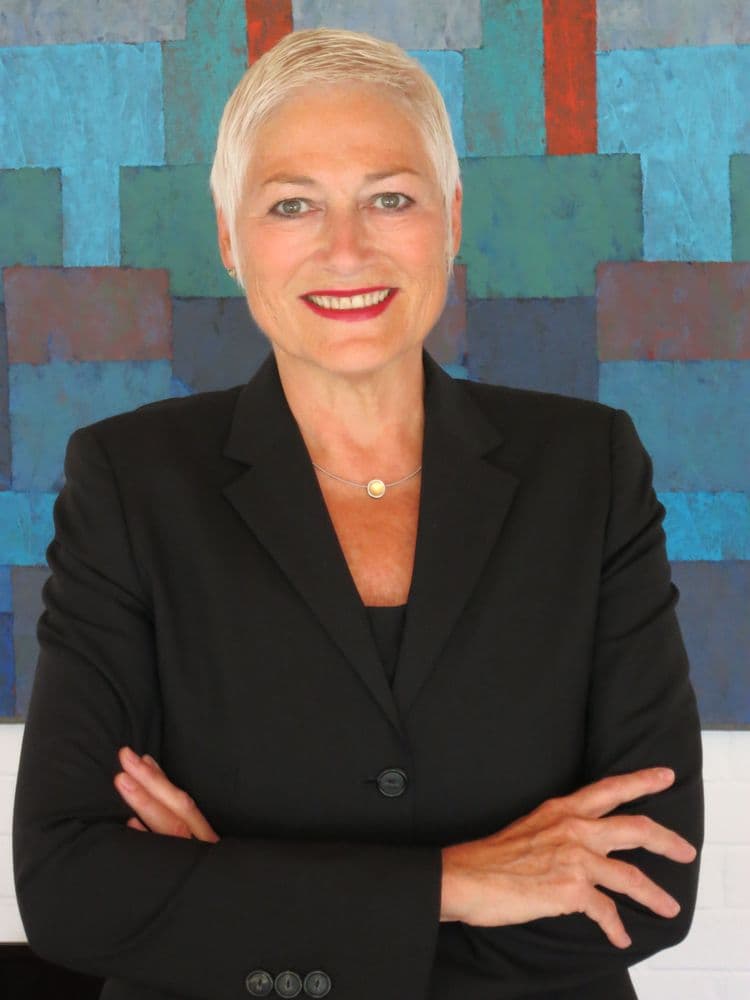
Dr. Hildegard Nimmesgern from the GDCh Commission for Equal Opportunities in Chemistry regards sustainability as the imperative of the hour in order to preserve life for people, animals and plants on our planet. For her, only global sustainable chemistry can counteract the exploitation of our planet and climate change. As a scientific society for chemistry, the GDCh must therefore assume responsibility and pool its expertise, making it available to all decision-makers.
Chemistry and sustainability do not have to be contradictory, believes Hildegard Nimmesgern: for her, chemistry is a key science that enables productivity and prosperity through innovation. At the same time, it has the potential to develop solutions to existing problems and eliminate shortcomings. A sound understanding of substances and materials creates the necessary foundation for handling them correctly and thus forms the basis for a resource-conserving circular economy.
As a member of the GDCh Sustainability Commission, she is particularly committed to the social pillar of sustainability. People must be taken along in the transformation process – through fair, respectful treatment and the equal-opportunity inclusion of diverse perspectives and experiences. This is the only way to successfully overcome the challenges of the future.
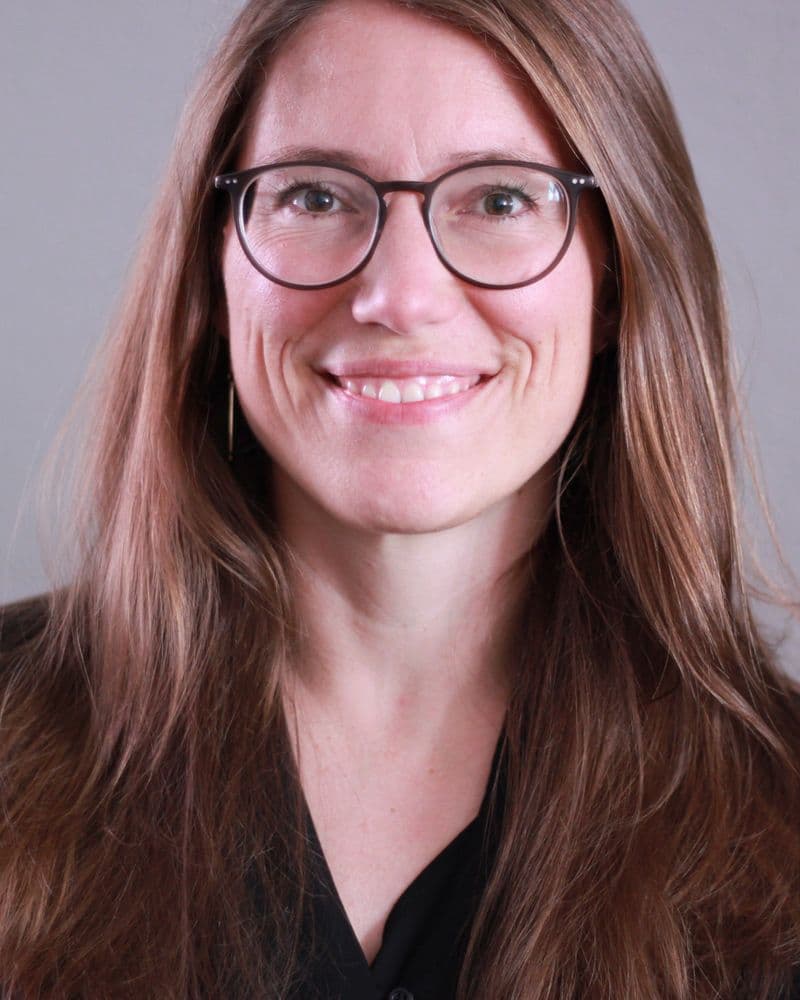
For Dr. Stefanie Wieck, Deputy Chair of the Division “environmental chemistry and ecotoxicology”, sustainability primarily means showing respect – for the planet and for other people, regardless of whether they are already living today or will only live in the future. In line with the Planetary Health approach, people and nature cannot be considered separately, because all life on Earth is interconnected. Only the system as a whole can be stable. As the planetary boundary for chemicals has already been exceeded, change is urgently needed.
She considers an overarching sustainability strategy necessary for the GDCh, as its more than 28,000 members naturally have different perspectives on chemistry. This diversity is valuable and can provide the basis for the GDCh to deliver important impetus, enabling chemicals to contribute to sustainability. At the same time, however, it is also a challenge, as compromises between all perspectives must first be found within the GDCh before the issue can be communicated credibly to society. The sustainability strategy establishes important guidelines for finding these compromises, including how comprehensively proposed solutions must be discussed.
For Stefanie Wieck, chemistry and sustainability are not contradictory: chemistry can contribute to sustainable solutions if, from the outset, the potential consequences for people and the environment are considered when products are designed and used. Circularity, the Safe-and-Sustainable-by-Design concept and sufficiency are important approaches that should be made better known. This is precisely where the GDCh could play an important role in the future by providing guidance and supporting informed decisions.
Through her involvement in the GDCh Sustainability Commission, Stefanie Wieck primarily wants to make the work of her Division “environmental chemistry and ecotoxicology” more visible and integrate it more strongly into the GDCh’s discussions and external communications. Without sound knowledge of the environmental problems caused by chemicals, sustainable solutions are not possible. She also sees the Commission’s work as an opportunity to establish stronger links between the Divisions and to foster understanding of their respective positions and concerns.
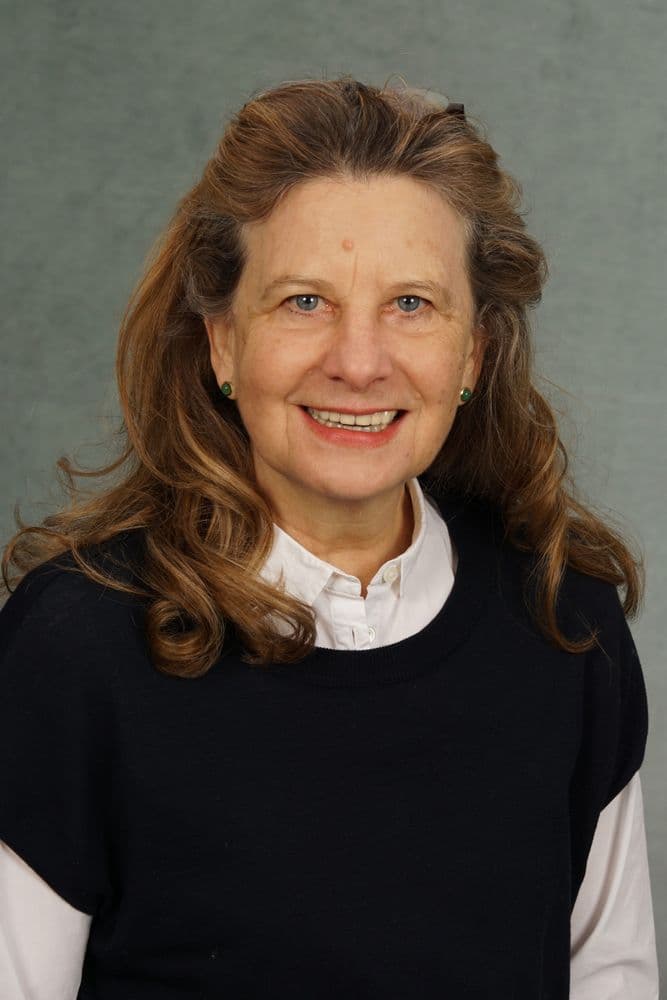
Dr Eva Elisabeth Wille, Chair of the GDCh Division of Senior Expert Chemists (SEC), is convinced that sustainable chemistry is not a question of age. For her, sustainability above all means one thing: taking concrete action instead of engaging in endless discussions. Sustainable chemistry cannot simply be prescribed or bottled like a magic potion – it requires courage and a willingness to take risks.
For many, chemistry and sustainability seem to be contradictory, yet Eva Wille and the SEC prove the opposite. The topics of their ten annual meetings show that the commitment to sustainable chemistry does not end with retirement. On the contrary – the experience of senior experts is indispensable for transforming chemistry. Eva Wille sees sustainable chemistry as a task that brings generations together, requiring young and old to work jointly on solutions. The SEC Division therefore actively contributes to this important “struggle” and demonstrates that sustainability requires the expertise of all generations.