The Evolution of AChE Inhibitors in Alzheimer's Disease: From Single‐Target to Multi‐Target Ligands
Von Wiley-VCH zur Verfügung gestellt
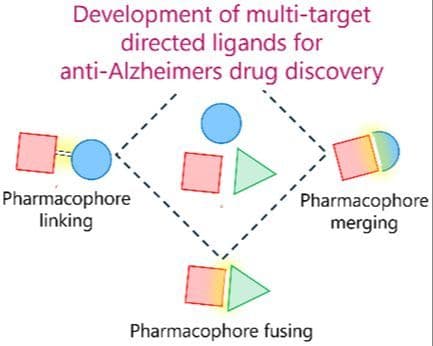
This review delves into the design and development of multi-target directed ligands (MTDLs) as innovative solutions for Alzheimer's disease (AD). It highlights the multifaceted nature of AD pathology, current therapeutic limitations, and how MTDLs, through merged or linked pharmacophores, can target multiple pathways such as amyloid-β aggregation, tau hyperphosphorylation, and cholinergic dysfunction to advance anti-AD drug discovery.
Alzheimer's disease (AD) is a chronic neurodegenerative disease marked by cognitive decline, neuronal degeneration, and the accumulation of intracellular neurofibrillary tangles, extracellular amyloid plaques, and neuroinflammation. Current treatment strategies, such as acetylcholinesterase inhibitors (AChEIs) and N-methyl-D-aspartate receptor antagonists, offer symptomatic relief but fail to stop disease progression. The development of multi-target-directed ligands (MTDLs) has gained attention as a method to address the complex pathology of AD. This review provides a detailed account of the journey of AChE inhibitors from single-target ligands to MTDLs, emphasizing the structural changes that improve target specificity, blood–brain barrier penetration, and therapeutic impact. By exploring these advancements, the review highlights the potential of MTDLs to overcome the limitations of traditional single-target approaches and contribute to the discovery of more effective anti-Alzheimer therapies along with discussing potential pitfalls.