Kategorie
Cancel culture

Artikel
Several letters of support for the article “Scientists must resist cancel culture” by Krylov et al. reached the editors—among them one from Nobel laureate Arieh Warshel. A selection of these letters is published here. — Arieh Warshel Nobel laureate, Member, National Academy of Sciences, HonFRSCDana and David Dornsife Chair in ChemistryDistinguished Professor of Chemistry and BiochemistryUniversity of Southern California, Los Angeles «The viewpoint piece by Krylov et al., published in Nachrichten aus der Chemie, bravely confronts a grave threat to science: a modern, grass-roots ideology with authoritarian tendencies commonly known as “Cancel C
Artikel
Editor's note: This is a reply to “Scientists must resist cancel culture” by Krylov, Tanzman, Frenking, and Gill — To my personal surprise I learnt by reading the “Scientists must resist cancel culture” piece in the latest Nachrichten aus der Chemie (02/2022) that I, as well as many other scientists, members of GDCh and other sister societies, apparently belong to an “outrage mob” of “Twitter vigilantes”. While I can’t begin to understand why the Nachrichten aus der Chemie would decide to print this ridiculous article, and I have no interest in trying to correct all of the authors’ claims, I certainly have some thoughts on them and what they
Artikel
Democratic freedom rests on the premise of an open and respectful debate. To say it with the (translated) words of Rosa Luxemburg: “Freedom is always the freedom of those who think differently!” The German Chemical Society (GDCh) firmly believes in this freedom. This must not be misunderstood as an approval of everything that has been said, but rather as the respect for the right of free speech, in alignment with the constitutions of most modern democratic societies. In that spirit, please feel encouraged to share your factually substantiated opinion on the article by Krylov, Tanzman, Frenking, and Gill. Our hope is that this collection will

Artikel
Editor's note: This is a reply to “The Myth of Cancel Culture in Chemistry (and Science)” by M. Micheel The article was first published on hxstem.substack.com/p/on-cancel-culture-and-antisemitism. — How do you derail an argument that you cannot debunk with facts and logic? Distort the argument and attack the distortion instead of the main thesis of your opponent. This tactic, ever popular on social media, has been deployed by critics of the recent paper by Krylov et al., “Scientists Must Resist Cancel Culture” [1] and Krylov’s earlier article, “The Peril of Politicizing Science” [2]. These viewpoints document recent instances of cancel cultur
Artikel
Editor's note: This is a reply to “Scientists must resist cancel culture” by Krylov, Tanzman, Frenking, and Gill — Why it is not a good idea to make attitude the measure of action and indignation the means of intellectual debate. In recent months, a handful of articles in private and professional media write of what appears to be an impending culture war in the ivory towers of academia. From these public performances, two opposing camps seem to be emerging on the peripheries of the progressive and conservative side. These opposing camps often style themselves as champions of free speech and opponents of perceived censorship. Members of each c
Artikel
Editor's note: This is a reply to “Scientists must resist cancel culture” by Krylov, Tanzman, Frenking, and Gill — I actually hoped I’d never have to criticize a Nachrichten aus der Chemie article again, but here we are again. The Oxford Advanced Learner’s Dictionary defines Cancel Culture as the practice of excluding somebody from social or professional life by refusing to communicate with them online or in real life, because they have said or done something that other people do not agree with which sounds like a really bad thing. Freedom of speech is one of our basic rights and one of the working principles of a democratic, pluralistic soc

ArtikelNachrichten aus der Chemie
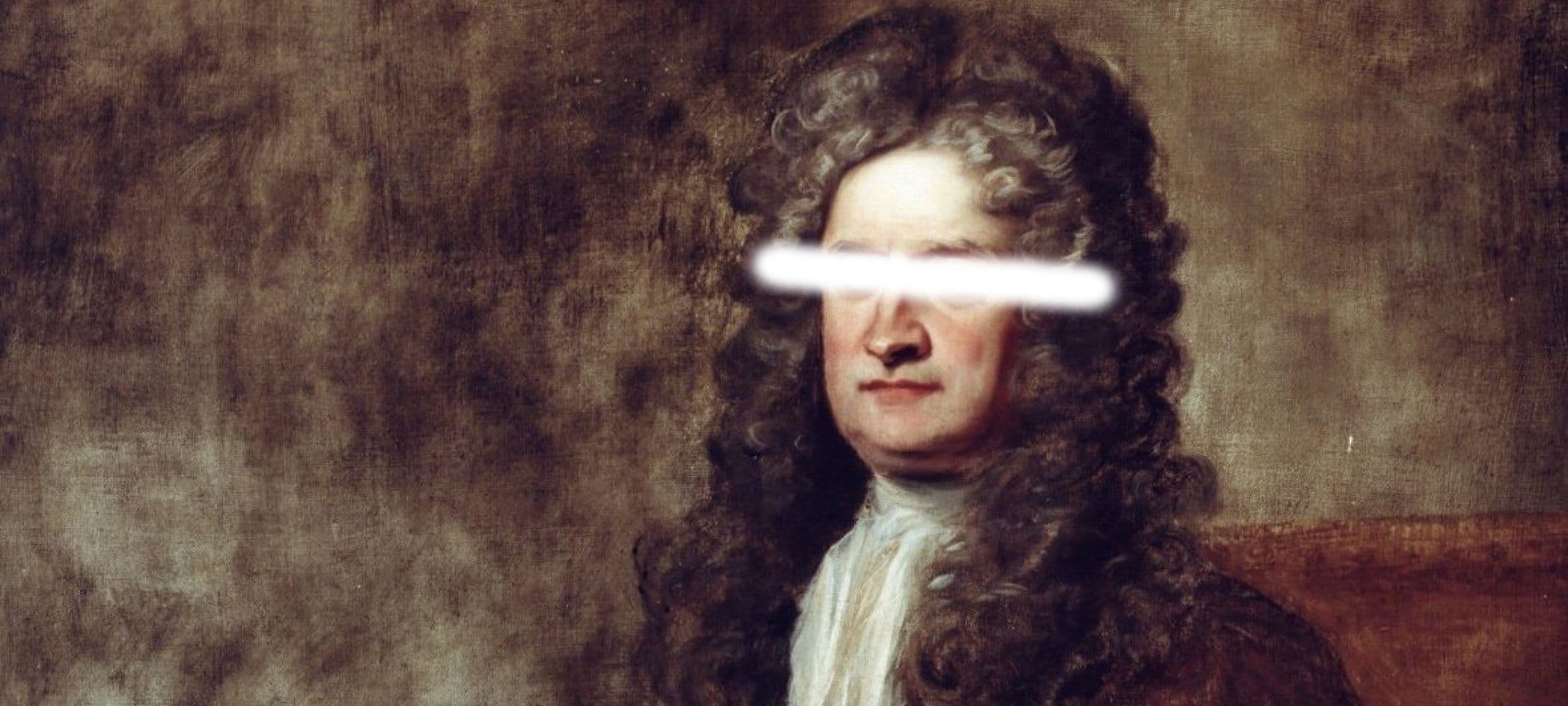
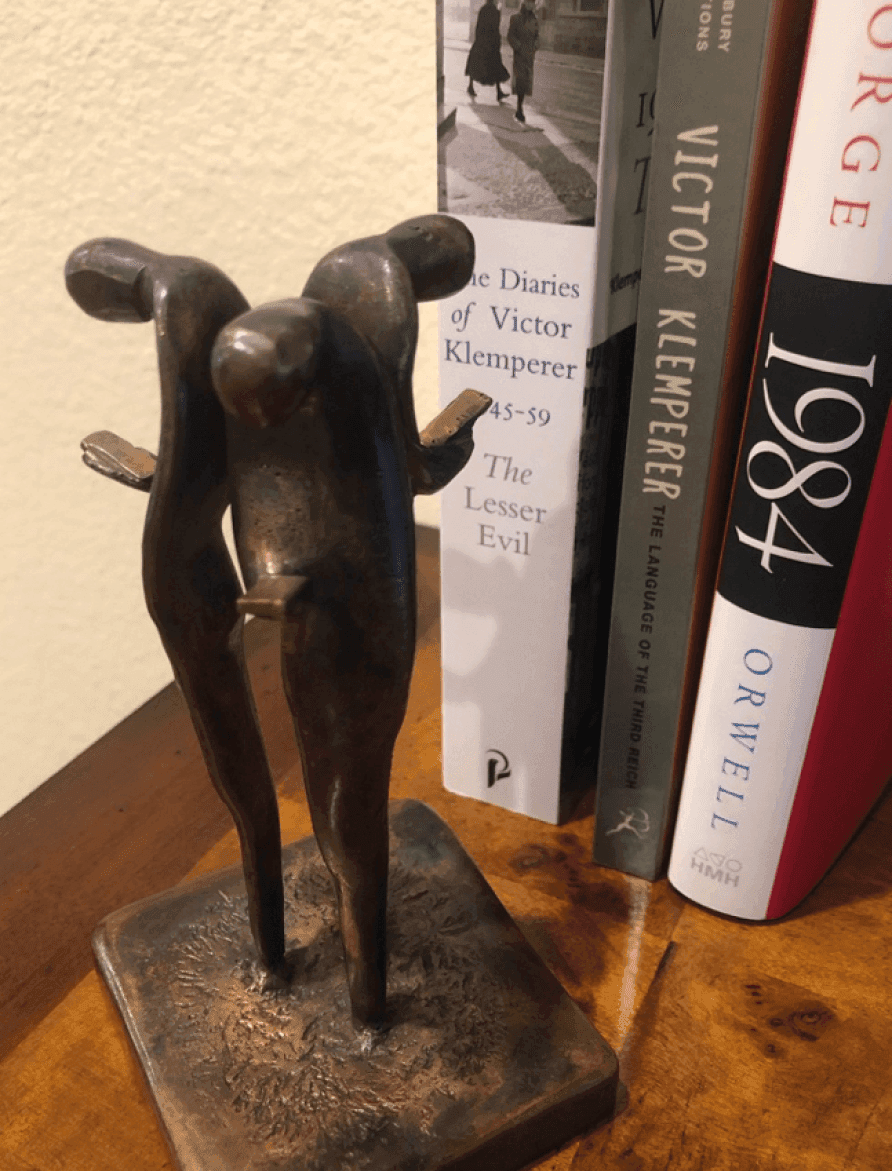
Science should reject all forms of censorship and defend the core principle of science – the free exchange of ideas. Censorship – „the suppression or prohibition of any parts of books, films, news, etc. that are considered obscene, politically unacceptable, or a threat to security“ – has been used by illiberal regimes throughout history to suppress viewpoint diversity. Scientists who challenged dominant ideologies have been subjected to various forms of cancellation – ostracism, imprisonment, exile, and death. 1–3) Abb. 1: Today censorship is facilitated by social media, in the form of social ostracism and bullying. Photo: Anna Krylov; Artwor